Learn how South Carolina's Good Samaritan Law protects you during an overdose. Understand naloxone access, immunity, and what to do in an emergency.
Jump to a section
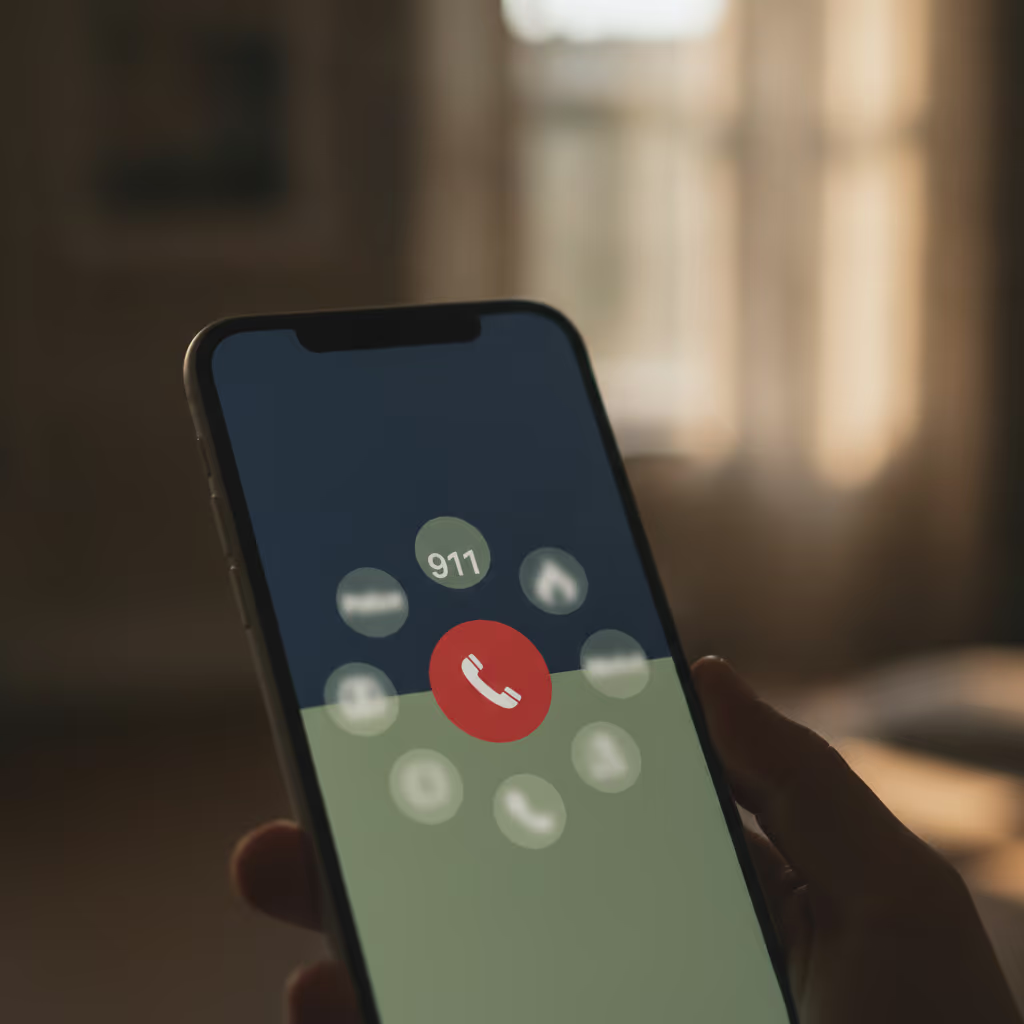
If you witness someone experiencing an opioid or alcohol overdose, fear of legal consequences should never prevent you from calling 911. South Carolina's Good Samaritan Law and the South Carolina Overdose Prevention Act provide legal immunity to people who seek emergency help during an overdose and to those who administer lifesaving naloxone.
Key Takeaways
- South Carolina's Good Samaritan Law (SC Code § 44-53-1920) protects callers from prosecution and arrest for seeking help during an overdose.
- The South Carolina Overdose Prevention Act provides immunity to anyone who administers naloxone in good faith to someone experiencing an overdose.
- Anyone can obtain naloxone at a South Carolina pharmacy without an individual prescription under a statewide standing order.
- Free Opioid Overdose Safety Kits containing naloxone, fentanyl test strips, and xylazine test strips are available at county health departments statewide.
- Call 911, stay with the person, administer naloxone if available, and provide responders with detailed information if you witness an overdose.
What the Good Samaritan Law Protects
South Carolina's Good Samaritan Law exists for one reason: to remove the fear that stops people from calling 911 during an overdose. Under SC Code § 44-53-1920, enacted in 2019, a person who seeks emergency medical help for someone appearing to experience a drug- or alcohol-related overdose receives limited immunity from both criminal prosecution and civil liability.
This protection is critical. Many people hesitate to call 911 during an overdose because they fear arrest, a criminal record, or legal liability. This immunity applies to both you and the person experiencing the overdose.
The key word is "appears." You do not need to be certain someone is having an overdose to be protected. If you reasonably believe someone is experiencing an overdose and you call for emergency help, you are protected by law.
Naloxone: Access and Immunity for Administering It
Naloxone (commonly known by the brand name Narcan) is an opioid antagonist that reverses an opioid overdose within minutes. South Carolina law makes naloxone accessible and protects people who administer it in an emergency.
Under the South Carolina Overdose Prevention Act (SC Code Title 44, Chapter 130), anyone who administers naloxone in good faith to someone experiencing an overdose receives civil and criminal immunity.
The law also provides professional immunity to prescribers who dispense naloxone to at-risk individuals and people who might witness an overdose. First responders may possess and administer opioid antidotes under a standing order without civil, criminal, or disciplinary exposure.
How to Get Free Naloxone in South Carolina
South Carolina's Physician General has issued a statewide standing order for naloxone, meaning anyone can obtain naloxone at a pharmacy without an individual prescription.
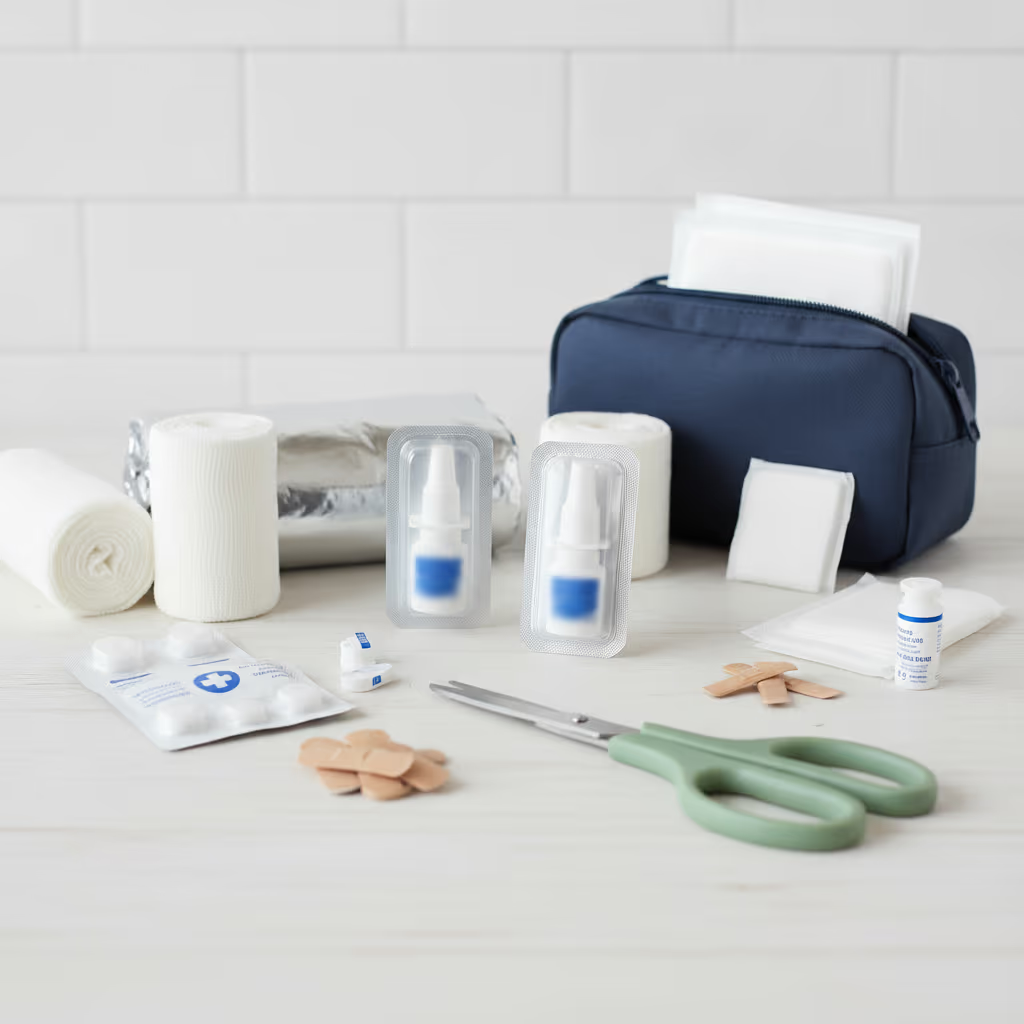
For free naloxone, the South Carolina Department of Public Health distributes free Opioid Overdose Safety Kits at county health departments statewide. Each kit contains two doses of naloxone, five fentanyl test strips, five xylazine test strips, and overdose-recognition materials.
What to Do If You Witness an Overdose
- Call 911 immediately. Overdose is a medical emergency. The Good Samaritan Law protects you when you make this call.
- Stay with the person. Do not leave them alone. If unconscious, position them on their side to prevent choking.
- Administer naloxone if available. Use it according to package instructions. You are protected from liability when you administer it.
- Provide detailed information to responders. Tell emergency personnel what you observed, when you found the person, any known substances, and whether naloxone was administered.
- Follow up on treatment. Overdose often signals the need for professional treatment.
Next Steps After an Overdose
Surviving an overdose is a critical moment to reach out for help. Lantana Recovery operates a treatment center in Charleston, SC, where our team specializes in helping adults recover from opioid and other substance use disorders.
Disclaimer: This article is a summary of South Carolina law for informational purposes only and does not constitute legal advice. If you have questions about your legal rights or obligations in a particular situation, consult the statute directly or speak with a qualified attorney in South Carolina.
Sources
- SC Code § 44-53-1920 — South Carolina Good Samaritan Lawhttps://www.scstatehouse.gov/code/t44c053.php
- SC Code Title 44, Chapter 130 — South Carolina Overdose Prevention Acthttps://www.scstatehouse.gov/code/t44c130.php
Reviewed by
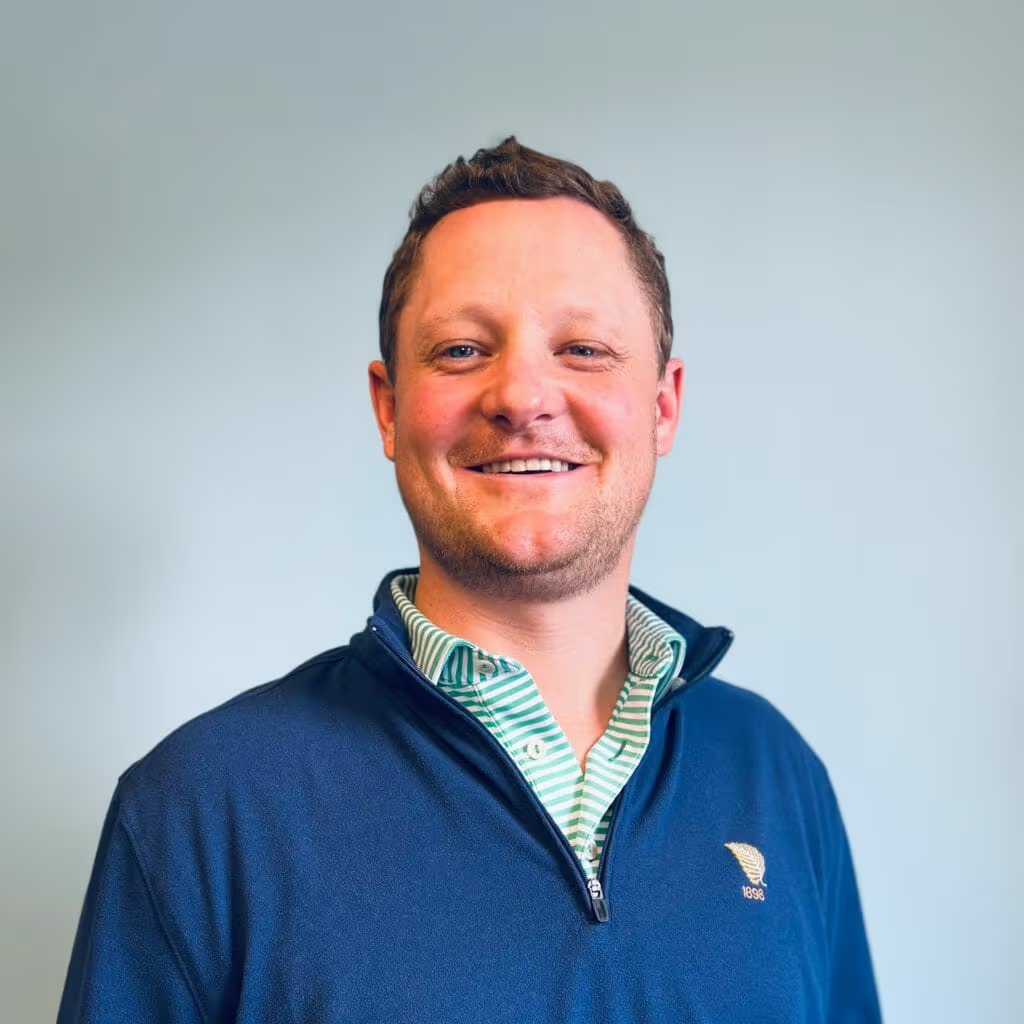
Warren PhillipsCo-Founder, LMSW · Editorial Reviewer
Warren Phillips is a Co-Founder of Lantana Recovery and a Licensed Master Social Worker (LMSW) specializing in substance abuse and mental health treatment. He previously worked in various capacities at Turnbridge Addiction Treatment and Clearpoint Recovery Center before co-founding Lantana Recovery. Warren's clinical approach draws on a strengths-based perspective, Twelve Step philosophies, Cognitive Behavioral Therapy, and Motivational Interviewing. He brings both personal and professional experience to his work — as a person in long-term recovery from alcohol and illicit substances, he has used that experience to help shape Lantana's treatment programming. Warren grew up in Memphis, TN and St. Louis, MO, attended college in Mississippi, and lived in California and Connecticut before relocating to Charleston. He now lives in Mount Pleasant with his wife, Angela, and their two young children, Hall and Sam.
Written by the Lantana Recovery Editorial Team and reviewed for clinical accuracy before publication.