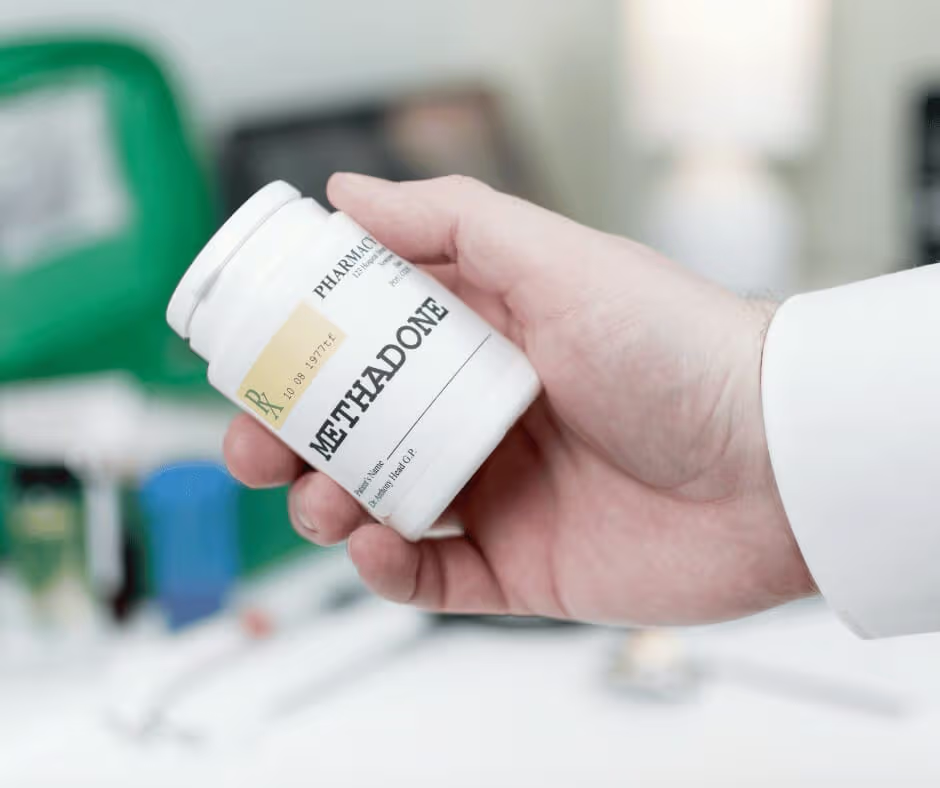
Meth and methadone are entirely different substances despite similar names — one is an illicit stimulant, the other a treatment medication. Learn the real differences.
Jump to a section
Meth and methadone are entirely different substances that happen to share a similar-sounding name — one is an illicit stimulant, the other an FDA-approved medication used to treat opioid use disorder. This article clarifies the real differences to prevent dangerous confusion.
Key Takeaways: Meth vs. Methadone
- Methamphetamine is an illicit stimulant with high abuse potential and no accepted medical use.
- Methadone is an FDA-approved opioid agonist medication, used in structured treatment for opioid use disorder.
- They work through entirely different mechanisms — meth stimulates, methadone is an opioid.
- Confusing the two, especially in casual conversation or online, can lead to dangerous misunderstandings about either substance.
What Is Methamphetamine?
Methamphetamine is a powerful, illicit central nervous system stimulant that dramatically increases dopamine activity, producing intense euphoria and energy. It's associated with severe addiction potential, cardiovascular damage, and, with chronic use, risk of psychosis.
What Is Methadone?
Methadone is a long-acting opioid agonist medication, FDA-approved and used within structured treatment programs to manage opioid use disorder. It works by occupying opioid receptors in a controlled, steady way, reducing withdrawal symptoms and cravings without producing the intense euphoria associated with illicit opioid use.
Key Differences
- Drug class — meth is a stimulant; methadone is an opioid.
- Legal status and use — meth is illicit with no medical use; methadone is FDA-approved and dispensed through regulated treatment programs.
- Mechanism — meth increases dopamine dramatically, producing stimulation; methadone occupies opioid receptors steadily, reducing withdrawal and craving without the euphoric spike of illicit opioid use.
- Purpose — meth has no treatment purpose; methadone is specifically used as part of evidence-based opioid use disorder treatment.
Why the Confusion Matters
Confusing meth and methadone — sometimes from name similarity alone — can lead to real misunderstandings, including stigma against methadone treatment based on mistaken association with an illicit stimulant. Methadone, despite the naming similarity, is a well-studied, evidence-based treatment medication, not a substance of misuse in the same category as meth (our guide on methadone's real, monitored cardiac risk covers the actual safety profile). If weight loss rather than opioid use is the concern, see our guide on methamphetamine's dangerous weight-loss mechanism.
Getting Accurate Information
If you or a loved one is navigating either methamphetamine use or opioid use disorder, accurate understanding of the specific substances and treatment options involved matters for making informed decisions. Lantana Recovery's methamphetamine addiction treatment program and our medication-assisted treatment program (which can include methadone or other MOUD options) address these very different substance use situations appropriately.
FAQ: Meth and Methadone
Can methadone get you high like meth?
Is methadone addictive?
Why do meth and methadone have such similar names?
Bottom Line
Meth and methadone are fundamentally different substances despite the similar name — one an illicit stimulant with no medical use, the other an FDA-approved medication used in evidence-based opioid use disorder treatment. Understanding the difference matters for accurate decision-making.
Sources
- NIDA — Methamphetamine Research Reporthttps://nida.nih.gov/publications/research-reports/methamphetamine
- SAMHSA — Methadone for Opioid Use Disorderhttps://www.samhsa.gov/medications-substance-use-disorders/medications-counseling-related-conditions/methadone

Reviewed by
Warren PhillipsCo-Founder, LMSW · Editorial Reviewer
Warren Phillips is a Co-Founder of Lantana Recovery and a Licensed Master Social Worker (LMSW) specializing in substance abuse and mental health treatment. He previously worked in various capacities at Turnbridge Addiction Treatment and Clearpoint Recovery Center before co-founding Lantana Recovery. Warren's clinical approach draws on a strengths-based perspective, Twelve Step philosophies, Cognitive Behavioral Therapy, and Motivational Interviewing. He brings both personal and professional experience to his work — as a person in long-term recovery from alcohol and illicit substances, he has used that experience to help shape Lantana's treatment programming. Warren grew up in Memphis, TN and St. Louis, MO, attended college in Mississippi, and lived in California and Connecticut before relocating to Charleston. He now lives in Mount Pleasant with his wife, Angela, and their two young children, Hall and Sam.
Written by the Lantana Recovery Editorial Team and reviewed for clinical accuracy before publication.