At 8 months sober, breaking ingrained habits and navigating social stigma become central themes. Learn what this milestone brings.
Jump to a section
Eight months of sobriety brings substantial physical and emotional benefits, alongside an increasingly central theme — actively breaking the ingrained habits and social patterns that were built around drinking. This article covers both the gains and the ongoing work this stage often involves.
Key Takeaways: Benefits of 8 Months Sober
- Physical changes — reduced inflammation, weight normalization, improved emotional stability — are typically well-established by this stage.
- Breaking ingrained social habits and routines tied to drinking becomes an active, ongoing focus.
- Navigating social stigma around not drinking remains relevant even after significant time sober.
- Sobriety doesn't require giving up genuine connection or intimacy — a common misconception worth addressing directly.
Physical and Emotional Gains by This Point
By eight months, reduced inflammation, more stable weight, and improved emotional regulation are typically well-established, reflecting the body's sustained adjustment to functioning without alcohol.
The Ongoing Work of Breaking Old Habits
Beyond the internal physical and emotional changes, eight months often brings continued, active work around breaking habits and social routines that were built around drinking — certain friend groups, activities, or environments that previously centered on alcohol. This kind of habit and environment restructuring is genuinely ongoing work, not something that resolves automatically with time.
Navigating Social Stigma
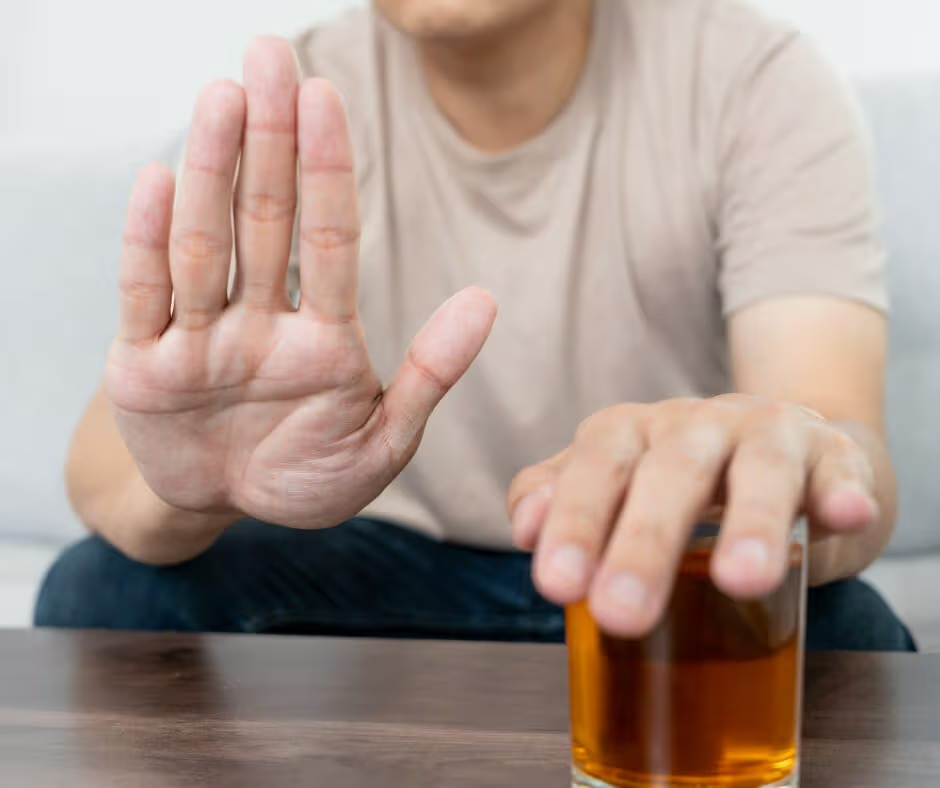
Even at eight months, social situations can still involve navigating questions or assumptions about not drinking. Having a clear, personal reason for not drinking — rather than needing to justify it extensively to others — tends to make these situations meaningfully easier to navigate.
Sobriety Doesn't Mean Giving Up Connection
A common misconception is that sobriety requires sacrificing social connection or intimacy — in practice, many people find genuine connection actually deepens without alcohol involved, since interactions become more present and authentic.
Continuing the Work
Eight months reflects real, sustained progress, alongside genuine ongoing work around habits and social navigation. Lantana Recovery's guide to alcohol-free social activities and our ongoing recovery support programs can help with this specific, active stage of habit restructuring.
FAQ: 8 Months Sober
Is it normal to still be restructuring social habits at 8 months?
How do I handle questions about why I'm not drinking?
Does sobriety mean less intimacy or connection with others?
Bottom Line
Eight months of sobriety brings substantial, established physical and emotional benefits, alongside genuine ongoing work around breaking old habits and navigating social situations — both real, worthwhile parts of this stage. Compare this stage with 9 months sober and 7 months sober to see how these benefits build over time. Lantana Recovery's continuum of care program supports this kind of staged, long-term recovery.
Sources
- SAMHSA — Recovery and Recovery Supporthttps://www.samhsa.gov/find-help/recovery
- NIAAA — Alcohol's Effects on the Bodyhttps://www.niaaa.nih.gov/alcohols-effects-health/alcohols-effects-body

Reviewed by
Warren PhillipsCo-Founder, LMSW · Editorial Reviewer
Warren Phillips is a Co-Founder of Lantana Recovery and a Licensed Master Social Worker (LMSW) specializing in substance abuse and mental health treatment. He previously worked in various capacities at Turnbridge Addiction Treatment and Clearpoint Recovery Center before co-founding Lantana Recovery. Warren's clinical approach draws on a strengths-based perspective, Twelve Step philosophies, Cognitive Behavioral Therapy, and Motivational Interviewing. He brings both personal and professional experience to his work — as a person in long-term recovery from alcohol and illicit substances, he has used that experience to help shape Lantana's treatment programming. Warren grew up in Memphis, TN and St. Louis, MO, attended college in Mississippi, and lived in California and Connecticut before relocating to Charleston. He now lives in Mount Pleasant with his wife, Angela, and their two young children, Hall and Sam.
Written by the Lantana Recovery Editorial Team and reviewed for clinical accuracy before publication.