Narcan is naloxone nasal spray, sold over the counter since 2023. Here is how to give it step by step, and why it wears off before opioids do.
Jump to a section
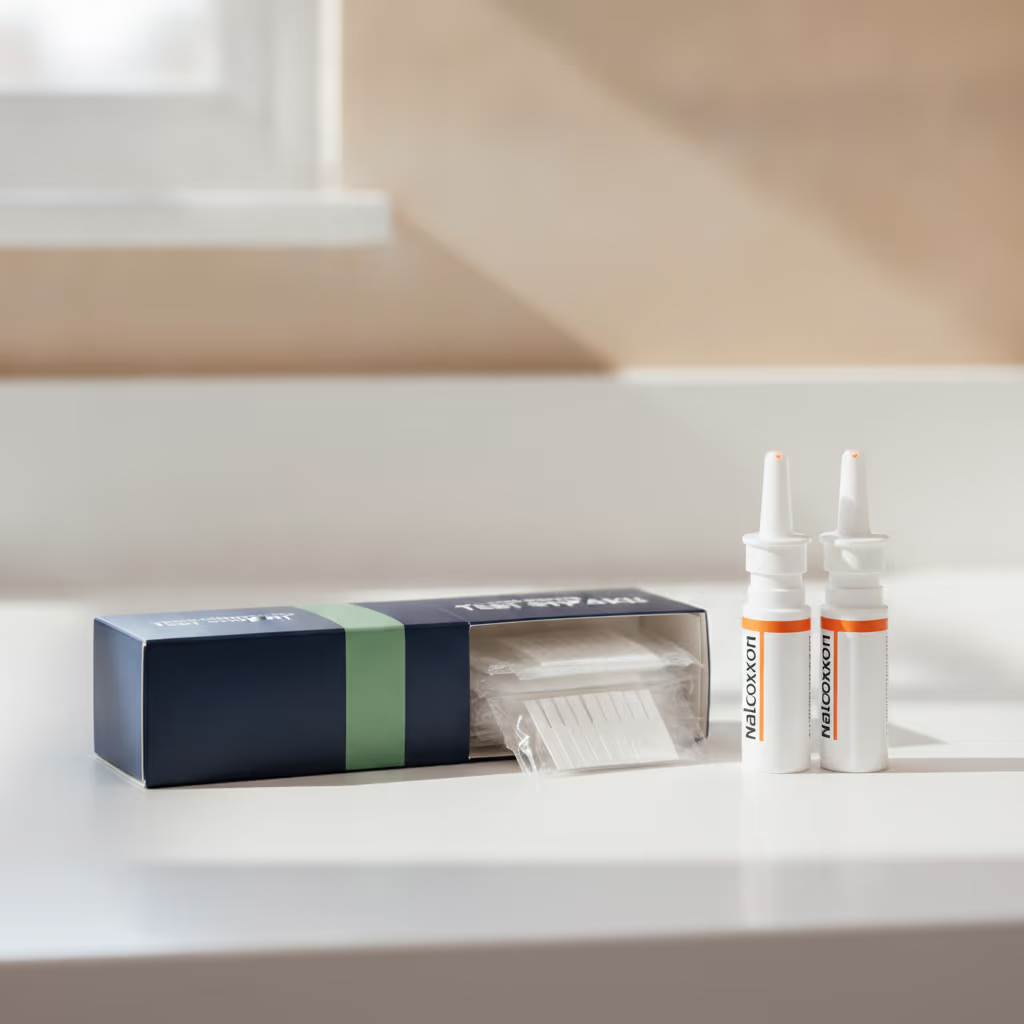
Narcan is the brand name for naloxone nasal spray, an emergency medication that reverses an opioid overdose by displacing opioids from receptors in the brain. Since March 29, 2023 it has been available over the counter in the United States — the first naloxone product approved without a prescription — and it can be given by anyone, with no medical training. This article covers how it works, exactly how to use it, what happens afterward, what it cannot do, and where to get it.
Key Takeaways on Narcan and Naloxone
- Naloxone attaches to opioid receptors and reverses and blocks the effects of other opioids, restoring breathing during an overdose.
- It works for 30 to 90 minutes, which is shorter than many opioids last — so overdose symptoms can return and 911 is always necessary.
- Stronger opioids such as fentanyl may require more than one dose.
- Naloxone only reverses overdoses in people who have opioids in their system. It causes no harm otherwise and will not reverse a cocaine or methamphetamine overdose.
- Someone opioid dependent may go into withdrawal within minutes of receiving it — uncomfortable, but usually not life threatening.
What is Narcan, and how does it work?
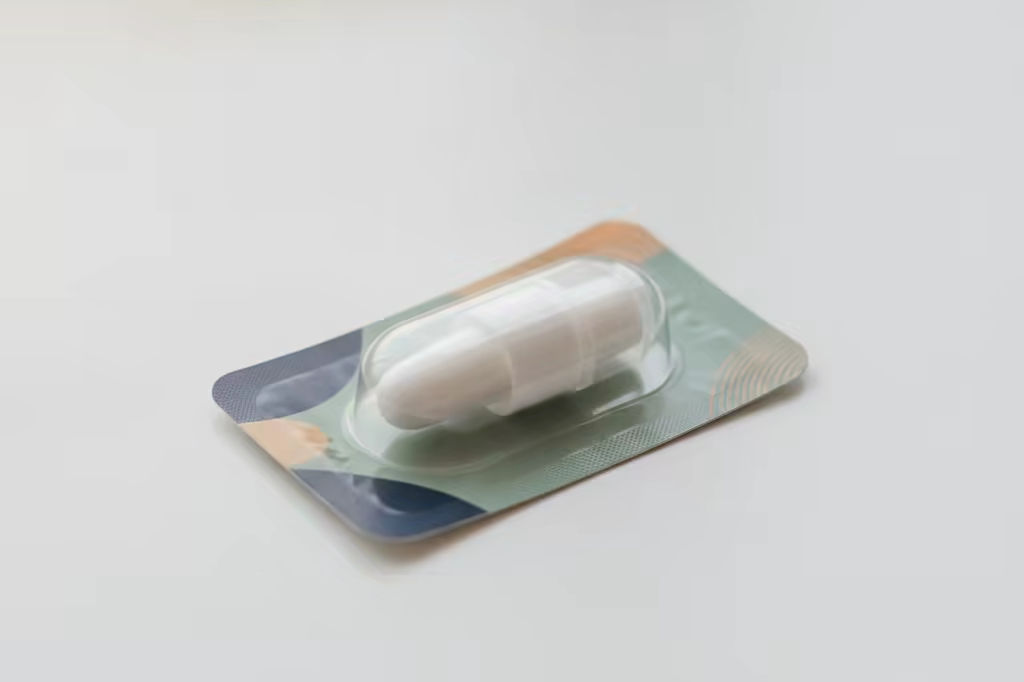
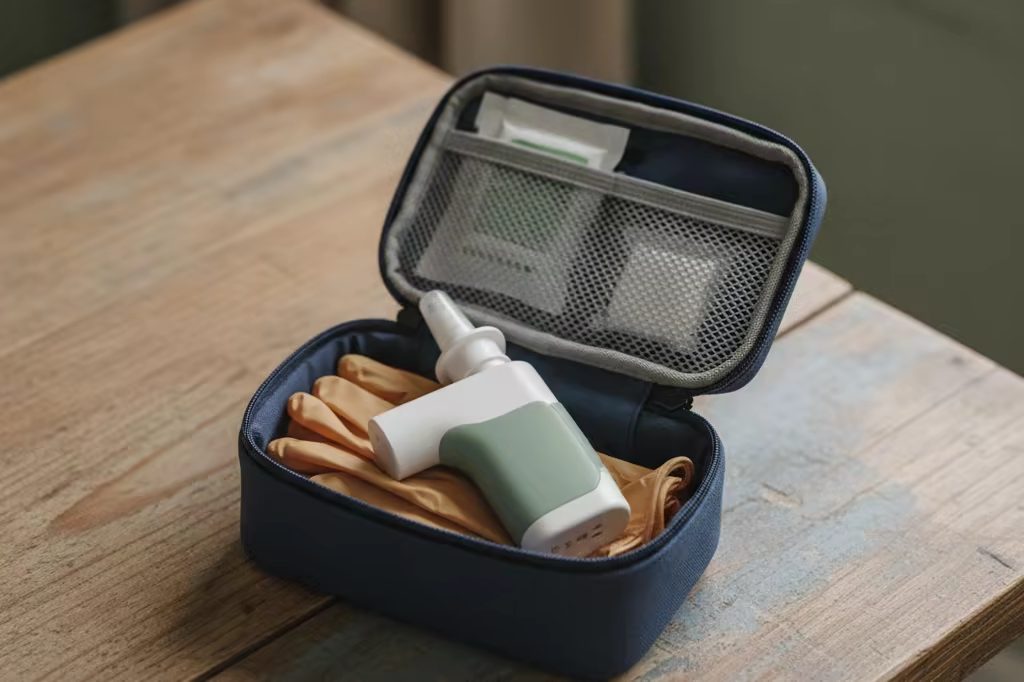
Narcan is naloxone delivered as a nasal spray, in a 4 mg single-use device. Naloxone is an opioid antagonist: it attaches to the same receptors opioids bind to, and because it binds more strongly, it displaces them and blocks their effect.
What that reverses is the specific thing that kills people in an opioid overdose. Opioids suppress the brainstem drive to breathe; naloxone removes that suppression, and breathing resumes — often within two to three minutes.
It is not a stimulant, not a general antidote, and not a treatment for addiction. It is a temporary block on one receptor system, and everything about how it is used follows from the word temporary.
How do you use Narcan nasal spray?
The device is designed for untrained use. There is nothing to assemble, no priming, and no way to give a partial dose.
- Check for a response. Shout their name, shake their shoulders, and rub your knuckles firmly on their breastbone. Someone who does not respond to that and is breathing slowly or not at all needs naloxone.
- Call 911 first, or have someone else call while you act. This is not optional — see the section on what happens afterward.
- Give the spray. Peel open the package. Hold the device with your thumb on the plunger and two fingers on the nozzle. Tilt their head back and support the neck. Insert the nozzle into one nostril until your fingers touch the bottom of their nose, then press the plunger firmly. The full dose goes into one nostril, not split between two.
- Support their breathing. If you are trained in rescue breathing or CPR and they are not breathing, start it.
- Give another dose if there is no response after 2 to 3 minutes, using a new device in the other nostril. Repeat as long as devices are available and they remain unresponsive.
- Put them in the recovery position — on their side, top knee forward, head supported — so they do not choke if they vomit.
- Stay with them until emergency services arrive.
You cannot overdose someone on naloxone, and giving it to a person who turns out not to have opioids in their system causes no harm. Given uncertainty, give it.
How do you know it's an opioid overdose?
The signs that matter are about breathing and responsiveness:
- Slow, shallow, or stopped breathing, sometimes with gurgling or snoring sounds
- Unresponsive to shouting or a firm knuckle rub on the breastbone
- Pinpoint pupils
- Blue or grey lips, fingertips, or face
- Limp body, cold or clammy skin
Snoring in someone who cannot be woken is not sleep. It is a partially obstructed airway, and it is one of the most commonly missed overdose signs.
You do not need to be certain it is opioids. Naloxone is harmless if they are not, so the practical threshold is unresponsive plus breathing trouble.
What happens after you give it?
Three things, all worth expecting.
It wears off before the opioid does. Naloxone works in the body for only 30 to 90 minutes, while many opioids persist longer. When it clears, the opioid still circulating can re-suppress breathing and the overdose can return. This is the single most important reason the 911 call is not optional, and why you do not leave someone alone after they wake up.
Stronger opioids may need more than one dose. Fentanyl and its analogues are potent enough that a single dose sometimes does not restore breathing. If there is no response after two to three minutes, give another.
They may wake up in withdrawal. Someone dependent on opioids can develop withdrawal symptoms within minutes — headache, blood pressure changes, sweating, nausea, tremors. It is uncomfortable but usually not life threatening. It can also make people frightened, disoriented, or angry, and they may want to use again immediately to stop the symptoms, which is dangerous while naloxone is still on board. Stay calm, explain what happened, and keep them there until help arrives.
What Narcan cannot do
- It does not reverse non-opioid overdoses. Naloxone will not reverse overdoses from cocaine or methamphetamine, and it does not work on alcohol or benzodiazepines.
- It does not fix a mixed overdose. When opioids are combined with other depressants, naloxone removes only the opioid contribution — sedation and respiratory depression from the rest continue. This is why it only partly helps in a codeine-promethazine overdose, where the antihistamine keeps working.
- It does not replace emergency care. It buys time, and time is what the ambulance needs.
- It does not treat addiction. Surviving an overdose changes nothing about what caused it.
Where do you get Narcan?
Over the counter, since the FDA approved the 4 mg nasal spray for nonprescription use on March 29, 2023 — the first naloxone product approved for use without a prescription. That decision opened sales in drug stores, convenience stores, grocery stores, gas stations, and online.
It is also distributed free in most states through health departments, harm reduction programs, and syringe service programs, and many pharmacies stock generic naloxone nasal spray at lower cost. Check the expiration date on anything you already own — and note that the FDA has issued shelf-life extensions for some lots, so an apparently expired device may still be valid.
Are you legally protected if you use it?
In both states where Lantana operates, yes — Good Samaritan laws provide protection to people who call for help during an overdose. The specifics differ, and they are worth knowing before you are in the situation: see South Carolina's Good Samaritan law and Connecticut's 911 overdose protections.
Fear of arrest is one of the most common reasons people hesitate to call, and hesitation is what turns a survivable overdose into a fatal one.
Who should carry Narcan?
Anyone with a realistic chance of being present at an overdose, which is a much wider group than people assume:
- People who use opioids, and their friends and family
- Anyone prescribed opioids at higher doses, or taking them alongside benzodiazepines
- Families of someone in recovery — overdose risk is elevated after a period of abstinence, because tolerance falls while the dose people return to does not
- People who work where overdoses happen: bars, hotels, libraries, schools, shelters
That third point deserves emphasis because it is counterintuitive. Leaving treatment, leaving jail, or any break in use lowers tolerance, and returning to a previously normal dose after that break is a common overdose scenario. A family supporting someone through opioid use disorder treatment should have naloxone in the house precisely because things are going well.
And the conversation after a reversal matters. Medication-assisted treatment with buprenorphine or naltrexone substantially reduces overdose risk, which is the difference between surviving one overdose and not having the next. Understanding how opioids affect breathing and the brain is also what makes the urgency of the 911 call obvious rather than abstract.
The Bottom Line
Narcan is naloxone nasal spray, it is available without a prescription, and anyone can use it: check for a response, call 911, spray the full dose into one nostril, give another after two to three minutes if nothing changes, and stay. It works for 30 to 90 minutes — less time than many opioids last — so the ambulance is part of the plan, not a backup to it. It cannot hurt someone who has not taken opioids, which means the right answer when you are unsure is to give it.
FAQ: Using Naloxone in an Overdose
How do you use Narcan nasal spray?
How long does Narcan take to work?
Can Narcan hurt someone who is not overdosing on opioids?
Does Narcan work on fentanyl?
Do you still need to call 911 after giving Narcan?
Where can you buy Narcan?
Sources
- U.S. Food and Drug Administration (March 29, 2023) — FDA Approves First Over-the-Counter Naloxone Nasal Sprayhttps://www.fda.gov/news-events/press-announcements/fda-approves-first-over-counter-naloxone-nasal-spray
- National Institute on Drug Abuse — Naloxone DrugFacts: mechanism, 30 to 90 minute duration of action, need for repeat doses with stronger opioids, safety when opioids are absent, and precipitated withdrawalhttps://nida.nih.gov/publications/drugfacts/naloxone
- U.S. Food and Drug Administration — FDA announces shelf-life extension for naloxone nasal sprayhttps://www.fda.gov/drugs/drug-safety-and-availability/fda-announces-shelf-life-extension-naloxone-nasal-spray
Reviewed by
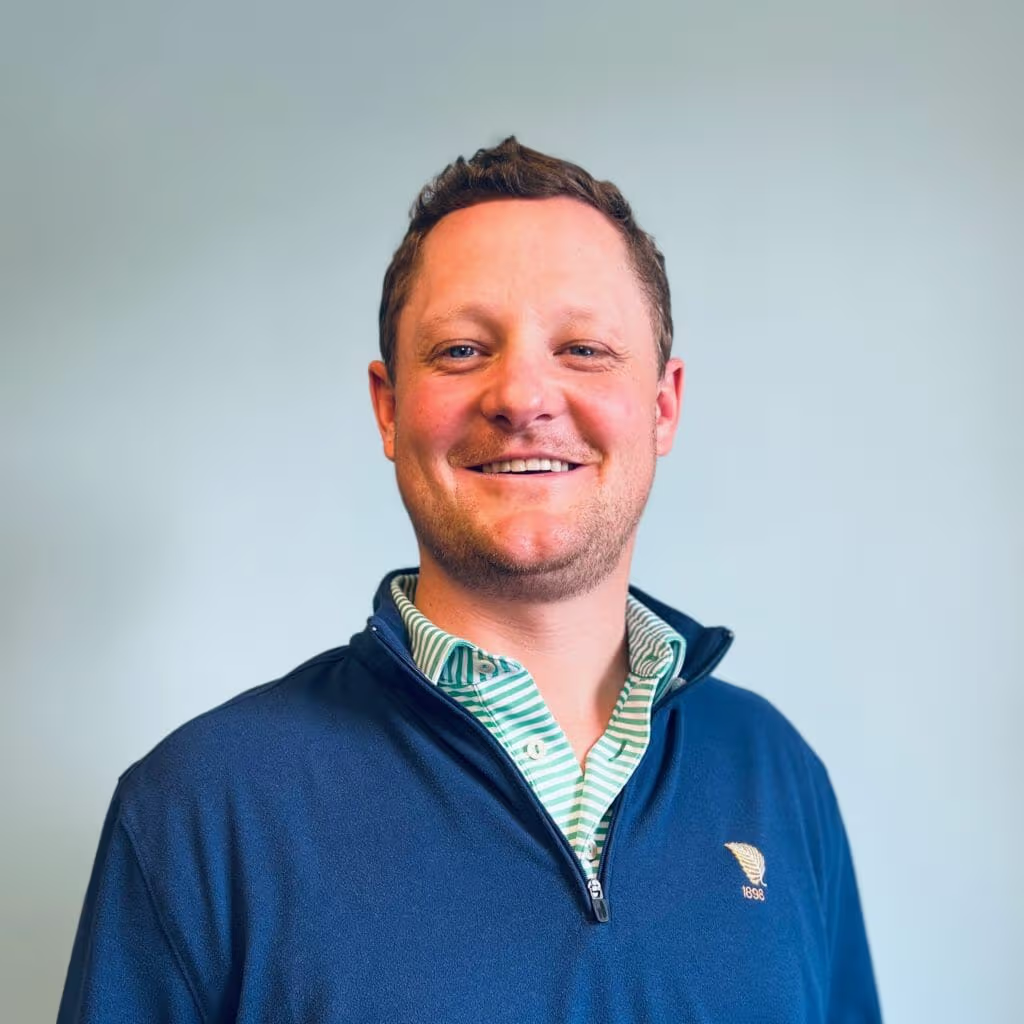
Warren PhillipsCo-Founder, LMSW · Editorial Reviewer
Warren Phillips is a Co-Founder of Lantana Recovery and a Licensed Master Social Worker (LMSW) specializing in substance abuse and mental health treatment. He previously worked in various capacities at Turnbridge Addiction Treatment and Clearpoint Recovery Center before co-founding Lantana Recovery. Warren's clinical approach draws on a strengths-based perspective, Twelve Step philosophies, Cognitive Behavioral Therapy, and Motivational Interviewing. He brings both personal and professional experience to his work — as a person in long-term recovery from alcohol and illicit substances, he has used that experience to help shape Lantana's treatment programming. Warren grew up in Memphis, TN and St. Louis, MO, attended college in Mississippi, and lived in California and Connecticut before relocating to Charleston. He now lives in Mount Pleasant with his wife, Angela, and their two young children, Hall and Sam.
Written by the Lantana Recovery Editorial Team and reviewed for clinical accuracy before publication.