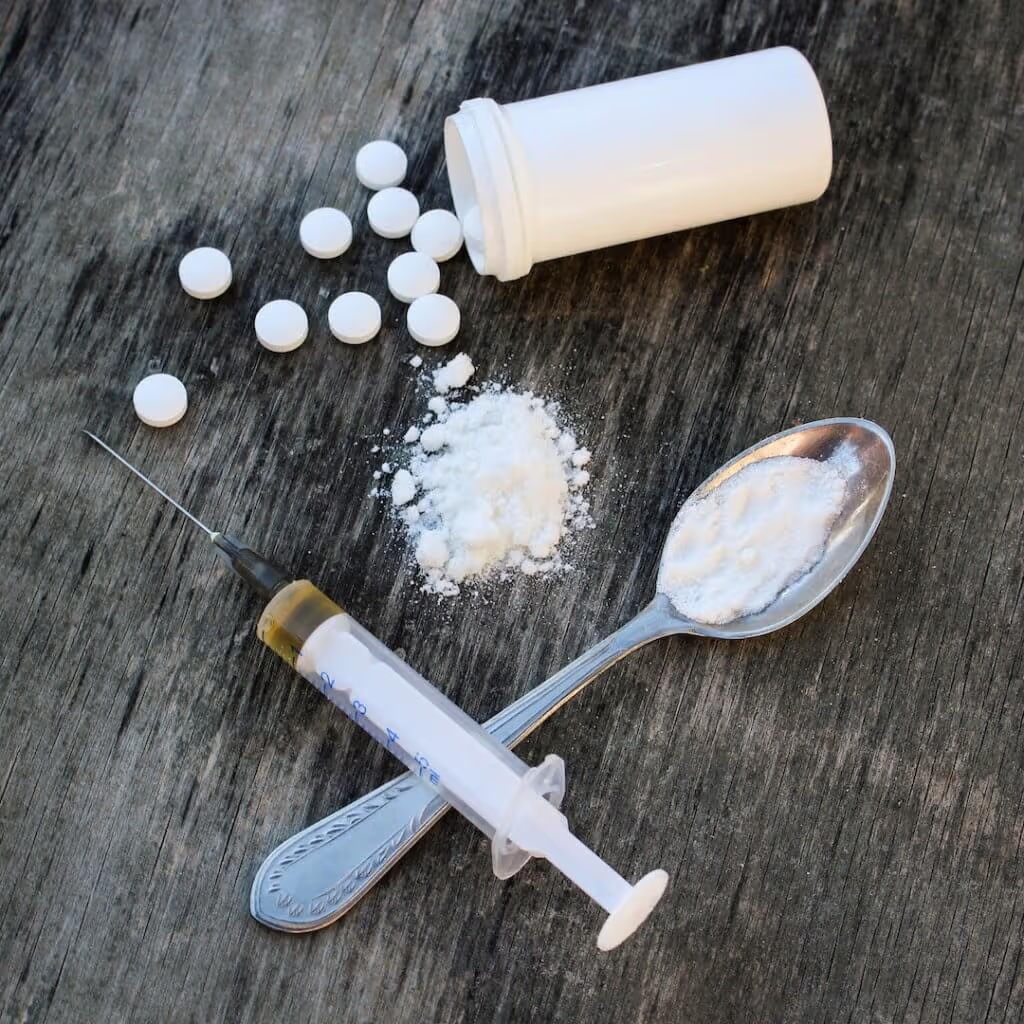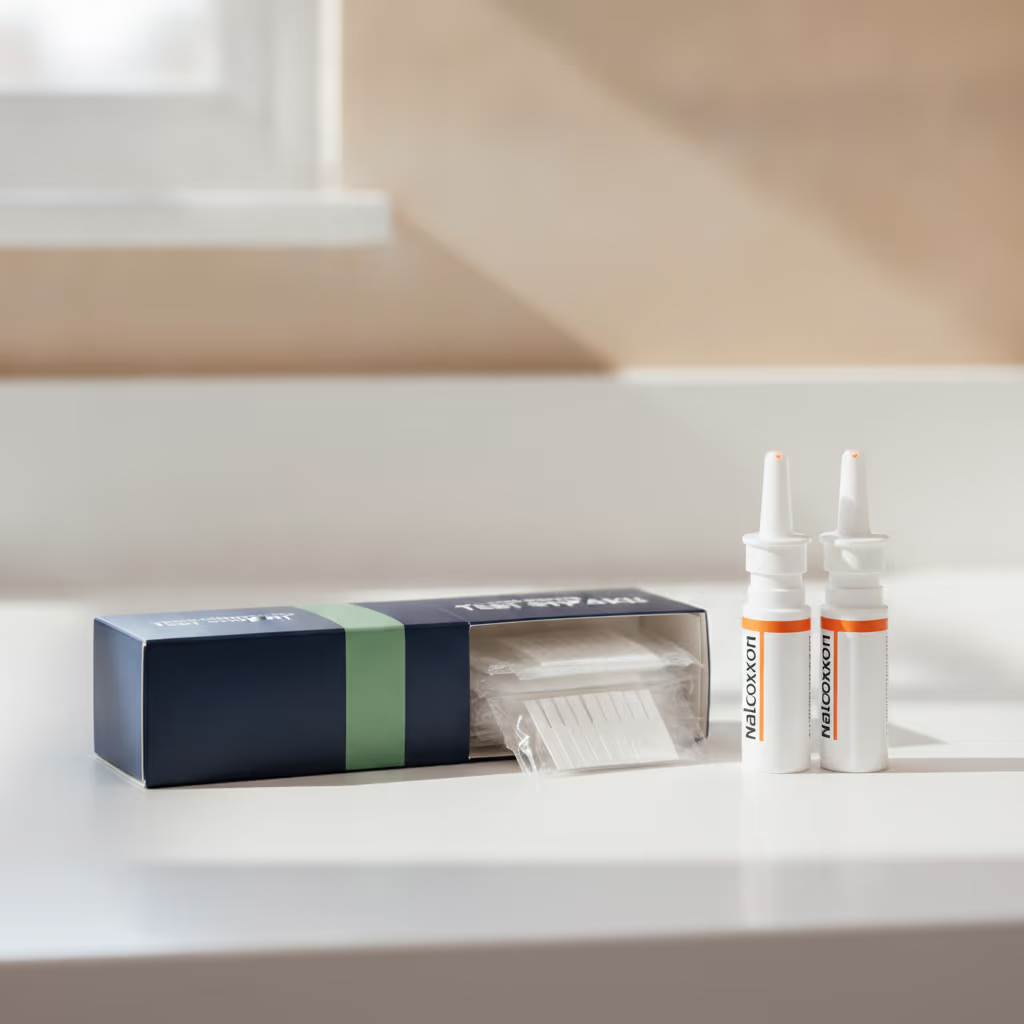
Lean is codeine-promethazine cough syrup mixed with soda. Both ingredients slow breathing, and the FDA label carries nine boxed warnings.
Jump to a section
Lean — also called purple drank, sizzurp, or dirty Sprite — is prescription cough syrup containing codeine and promethazine, mixed with soda and often hard candy, and drunk recreationally. Both of its active ingredients depress the central nervous system, and the FDA label for that syrup carries nine boxed warnings. This article covers what lean actually contains, what it does to the body, how addictive it is, what an overdose looks like, and how codeine addiction is treated.
Key Takeaways on Lean and Purple Drank
- Lean is codeine-promethazine cough syrup mixed with soda. Codeine is an opioid; promethazine is a sedating antihistamine. Both slow breathing.
- The FDA label for promethazine with codeine carries boxed warnings for addiction, life-threatening respiratory depression, and combined use with benzodiazepines, other CNS depressants, or alcohol.
- Since January 2018, the FDA has limited prescription cough medicines containing codeine or hydrocodone to adults 18 and older, having found the risks outweigh the benefits in anyone younger.
- Lean is addictive because codeine is an opioid: tolerance, physical dependence, and opioid withdrawal all follow the same pattern as any other opioid.
- Naloxone reverses the opioid half of a lean overdose. It does not reverse promethazine, so emergency care is still needed.
What is lean, exactly?
Lean is a recreational drink made by mixing prescription-strength cough syrup into a soft drink. The syrup is the part that matters medically: promethazine hydrochloride and codeine phosphate oral solution, a prescription product approved in the United States since 1952 and classified as a Schedule V controlled substance.
The street names track the preparation rather than different drugs. Purple drank describes the color the syrup gives the soda. Sizzurp, dirty Sprite, and Texas tea all refer to the same mixture. Hard candy is often added, which changes the taste and nothing else.
What is actually in the syrup?
Two active ingredients, each a central nervous system depressant:
- Codeine is an opioid. The body converts it into morphine through the liver enzyme CYP2D6, and the morphine is what produces pain relief, sedation, and euphoria.
- Promethazine is a first-generation antihistamine with strong sedative properties. It is not an opioid, which is why it does not respond to opioid-reversal medication.
Drinking the two together stacks two different sedatives on the same brain systems. That combination, not the codeine alone, is what makes the mixture more dangerous than its reputation as a mild high suggests.
What does lean do to the body?
The effects people describe — a heavy, floating drowsiness and slowed speech, which is where the name comes from — are what central nervous system depression feels like from the inside. Physiologically, the same process slows breathing and heart rate, lowers blood pressure, impairs coordination and judgment, and narrows the pupils.
Because the syrup is drunk rather than swallowed as a measured dose, the amount consumed in one sitting is routinely far above a therapeutic dose, and the effects arrive gradually enough that people keep drinking past the point where the dose is already dangerous.
One genetic factor makes this unpredictable. People who are ultra-rapid CYP2D6 metabolizers convert codeine to morphine unusually fast, and the FDA label warns that these patients can experience life-threatening or fatal respiratory depression even at normal prescribed doses. Nobody knows which category they fall into without genetic testing.

How dangerous is lean?
The FDA label for promethazine with codeine carries nine boxed warnings — the agency's most serious warning category. Among them: addiction, abuse, and misuse; life-threatening respiratory depression; accidental ingestion; ultra-rapid codeine metabolism; medication errors; interactions with drugs affecting cytochrome P450 enzymes; neonatal opioid withdrawal syndrome; and concomitant use with benzodiazepines or other CNS depressants.
That last warning is the one most relevant to how lean is actually consumed. The label states that combining it with benzodiazepines, other CNS depressants, or alcohol may result in profound sedation, respiratory depression, coma, and death. Lean is frequently drunk at parties alongside alcohol, cannabis, or benzodiazepines — each additional depressant compounds the same risk.
The FDA's position on who should take this medication at all has tightened. In January 2018 it required labeling changes limiting prescription cough and cold medicines containing codeine or hydrocodone to adults 18 and older, having concluded that the risks of slowed breathing, misuse, addiction, overdose, and death outweighed the benefits in anyone younger. The syrup is also contraindicated in children under 12 entirely.
Is lean addictive?
Yes, lean is addictive, because codeine is an opioid and opioids produce tolerance and physical dependence with repeated use. The progression is the ordinary one: the same amount stops producing the same effect, the amount consumed increases to compensate, and stopping produces withdrawal.
Codeine withdrawal follows the standard opioid withdrawal pattern — muscle aches, sweating, chills, nausea, diarrhea, insomnia, agitation, and intense cravings. It is rarely medically dangerous on its own, but it is severe enough that people return to use to stop it, which is the mechanism that turns experimentation into a sustained pattern.
A 2020 systematic review in the Journal of Psychoactive Drugs examined the lean phenomenon across the published literature and found the misuse was not confined to the demographic groups popular reporting had assumed — teenagers, athletes, and rappers — but spread heterogeneously across user types. The cultural framing of lean as a music-scene accessory understates who is actually drinking it.
What are the signs someone is using lean?
The clearest physical signs are the ones any opioid produces, plus the sedation promethazine adds:
- Persistent drowsiness, nodding off mid-conversation, or slurred and slowed speech
- Constricted pupils
- Poor balance and coordination, described as feeling like leaning
- Constipation, nausea, or itching
- Dental decay from the sugar load of syrup and soda drunk regularly
- Empty prescription syrup bottles, or styrofoam cups used habitually
- Requests for cough medicine without a cough, or missing syrup from a household medicine cabinet
Behaviorally, the pattern matters more than any single sign: withdrawal from activities, a new social group organized around use, declining school or work performance, and defensiveness when the subject is raised.
What happens in a lean overdose, and what should you do?
A lean overdose is an opioid overdose with an extra sedative on top. The signs are slow or stopped breathing, blue-tinged lips or fingertips, pinpoint pupils, limpness, cold clammy skin, and unresponsiveness to shouting or a sternal rub.
Call 911 first. Give naloxone if it is available — it reverses the codeine, and giving it to someone who turns out not to have opioids in their system causes no harm. Naloxone does not reverse promethazine, so sedation and respiratory depression can persist after the opioid is blocked, and its effects can also wear off before the codeine does. Emergency medical care is necessary either way. Stay with the person and place them on their side.
Both states where Lantana operates have Good Samaritan laws that provide legal protection to people who call for help during an overdose — see the specifics for South Carolina and Connecticut. Fear of arrest is a common reason people delay the call, and in both states that fear is largely misplaced.

How is codeine addiction treated?
Codeine addiction is treated the same way as any other opioid use disorder, and the evidence base is the strongest in addiction medicine. Treatment usually starts with withdrawal management to get through the acute phase safely, then moves to medication-assisted treatment — buprenorphine or naltrexone — which reduces cravings and measurably lowers overdose risk. In an NIH-funded study of people who had already survived an opioid overdose, opioid overdose deaths over the following 12 months were 38% lower among those treated with buprenorphine than among those who received no medication.
Medication is not the whole of it. Intensive outpatient treatment and ongoing opioid use disorder treatment address what the medication does not: the reasons the drinking started, the social context that sustains it, and what replaces it. Lantana provides this care on an outpatient basis and coordinates a higher level of medical care when someone's history calls for it.
The Bottom Line
Lean is not a soft drug with a soft reputation problem. It is a Schedule V opioid preparation whose label carries nine boxed warnings, which the FDA has restricted to adults since 2018, and which is most often drunk in combination with the exact substances — alcohol, benzodiazepines, other depressants — the label warns can cause coma and death. If someone you know is drinking it regularly, the useful question is not whether it is as bad as heroin. It is whether they can stop, and what happens when they try.
FAQ: Codeine Syrup, Sizzurp, and Overdose Risk
What is lean made of?
Is lean an opioid?
Can you overdose on lean?
Does naloxone work on a lean overdose?
Is lean legal?
How long does codeine stay in your system?

Sources
- DailyMed (U.S. National Library of Medicine) — Promethazine Hydrochloride and Codeine Phosphate Oral Solution prescribing information: boxed warnings, Schedule V classification, CYP2D6 ultra-rapid metabolizer risk, and CNS-depressant interactionshttps://dailymed.nlm.nih.gov/dailymed/drugInfo.cfm?setid=785c605e-1907-4fac-8b69-d504a2076f8e
- U.S. Food and Drug Administration (January 11, 2018) — Drug Safety Communication: FDA requires labeling changes for prescription opioid cough and cold medicines to limit their use to adults 18 years and olderhttps://www.fda.gov/drugs/drug-safety-and-availability/fda-drug-safety-communication-fda-requires-labeling-changes-prescription-opioid-cough-and-cold
- Miuli et al. (2020), Journal of Psychoactive Drugs — "Purple Drank" (Codeine and Promethazine Cough Syrup): A Systematic Review of a Social Phenomenon with Medical Implicationshttps://pubmed.ncbi.nlm.nih.gov/32748711/
- National Institutes of Health — Methadone and buprenorphine reduce risk of death after opioid overdose (38% lower opioid overdose mortality over 12 months with buprenorphine)https://www.nih.gov/news-events/news-releases/methadone-buprenorphine-reduce-risk-death-after-opioid-overdose

Reviewed by
Warren PhillipsCo-Founder, LMSW · Editorial Reviewer
Warren Phillips is a Co-Founder of Lantana Recovery and a Licensed Master Social Worker (LMSW) specializing in substance abuse and mental health treatment. He previously worked in various capacities at Turnbridge Addiction Treatment and Clearpoint Recovery Center before co-founding Lantana Recovery. Warren's clinical approach draws on a strengths-based perspective, Twelve Step philosophies, Cognitive Behavioral Therapy, and Motivational Interviewing. He brings both personal and professional experience to his work — as a person in long-term recovery from alcohol and illicit substances, he has used that experience to help shape Lantana's treatment programming. Warren grew up in Memphis, TN and St. Louis, MO, attended college in Mississippi, and lived in California and Connecticut before relocating to Charleston. He now lives in Mount Pleasant with his wife, Angela, and their two young children, Hall and Sam.
Written by the Lantana Recovery Editorial Team and reviewed for clinical accuracy before publication.