Medication-assisted treatment (MAT) is a medically supervised, evidence-based therapy that stabilizes the brain during substance abuse treatment.
Jump to a section
Medication-assisted treatment (MAT) is a medically supervised, evidence-based therapy that stabilizes the brain during substance abuse treatment. By mitigating severe withdrawal symptoms and cravings, MAT allows individuals to focus on their recovery.
When Is MAT Used?
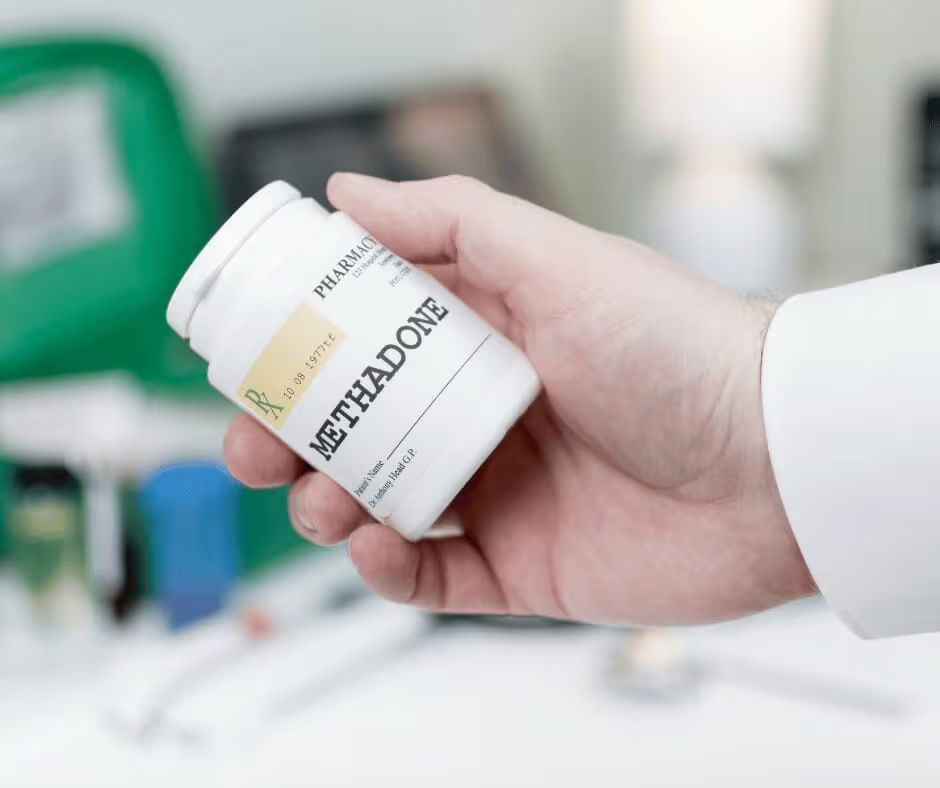
MAT is an excellent and popular option for mitigating the withdrawal effects of opioid or alcohol use disorders. Doctors commonly prescribe methadone or buprenorphine (often known by brand names like Suboxone) to suppress cravings and withdrawal. Alternatively, Naltrexone can be used to block the rewarding effects of opioids if a relapse occurs. Medications like Naltrexone, Acamprosate, and Disulfiram are used to discourage alcohol consumption, restore brain chemistry, and decrease relapse risks.
MAT is often paired with different behavioral interventions, such as:
- Cognitive-behavioral therapy (CBT) to help individuals identify and change unhelpful behaviors and thoughts about themselves and their addiction
- Contingency management (CM) to help individuals stay motivated by providing tangible rewards (like vouchers for goods) for positive changes
- Community reinforcement approach (CRA) to help identify the reasons for wanting to make changes in one’s life and find healthier ways of coping with stress and other triggers to misuse substances
- Motivational enhancement (ME) to help individuals engage and stay motivated in treatment
- A variety of group therapy options, such as psycho-educational, skills development, cognitive-behavioral, interpersonal process, or support groups
What Are the Benefits of MAT?
MAT has a host of positive benefits for individuals in recovery from various substances. Detox centers use MAT for early withdrawal management. It is also an ongoing option during recovery as physical and social recovery align after clinical stabilization. According to the Substance Abuse and Mental Health Services Administration (SAMHSA), the benefits of MAT are wide and varied, and include:
Clinical and Physical Benefits
- Medications like methadone, buprenorphine, and naltrexone stabilize brain chemistry to block physical urges, curbing cravings to make withdrawal and continued sobriety more tolerable.
- MAT manages severe physical withdrawal symptoms safely, easing the discomforts of early recovery.
- Certain medications block the "high" or euphoric effects of illicit drugs, reducing the psychological incentive to relapse.
- Patients on MAT have a vastly reduced risk of contracting or transmitting HIV and Hepatitis C from injection drug use.
- Pregnant individuals with substance use disorders experience significantly safer pregnancies and better infant health outcomes when utilizing MAT.
Long-Term Recovery Success
- Because it alleviates physical suffering, patients are far more likely to stay in long-term treatment programs.
- The medications are evidence-based and safe to use for months, years, or a lifetime to maintain stability without addictive outcomes.
Social and Lifestyle Restoration
- Stabilized lifestyles allow individuals to successfully gain and maintain steady employment, contributing to life satisfaction and a reduction in stressors that often contribute to substance use.
- MAT significantly decreases the need to resort to illegal activities associated with sourcing illicit substances, as both the physical and emotional draw of the substance are limited.
- Once free from the constant cycle of highs and lows of substance use, individuals can rebuild personal relationships, regain independence, and focus on recovering their mental and physical health.
Do I Need MAT for Substance Use?
If cravings, withdrawal symptoms, or repeated relapses have made recovery feel unreachable, seeking an accredited facility that utilizes MAT for recovery is an excellent step. SAMHSA's National Helpline is open 24/7 for free, confidential treatment referral every day of the year. Calling 1-800-662-HELP (4357) will connect you with a center like Lantana Recovery where you can begin your recovery journey.
Upon admission, you will be assessed for the length and severity of substance use. Your medical team will work with you to determine the best course of action, making recommendations for MAT as indicated.
The first step of recovery is detox, during which your body purges itself of substances and achieves clinical stabilization. MAT is frequently used during this process to reduce adverse effects such as withdrawal symptoms and risks associated with withdrawal at this time.
Ongoing MAT may be prescribed depending on the substance for which you are being treated. Your medical team will communicate your options for how long to continue MAT and provide referrals, as some outpatient MAT can be handled through your primary care provider, via home visits, or at local clinics.
MAT at Lantana Recovery
At Lantana Recovery, we implement MAT protocols to manage withdrawal and provide ongoing support for your recovery journey. We pair MAT with evidence-based therapy options, including CBT, dialectical behavior therapy (DBT), group therapy, family therapy, and experiential therapies, to help you rediscover your interests and establish new patterns of joy through new or renewed adventures.
If you or someone you love is experiencing substance use and needs additional interventional support, the admissions team at Lantana is ready to talk with you about the options that exist for you at our South Carolina and Connecticut locations.
Medication-assisted treatment (MAT) is a medically supervised, evidence-based therapy that stabilizes the brain during substance abuse treatment. Lantana Recovery utilizes MAT to mitigate severe withdrawal symptoms and cravings, allowing clients to focus on their recovery. We combine MAT with evidence-based therapies for a more lasting recovery. If you or someone you love is struggling with substance abuse and needs greater intervention to break the cycle of relapse, contact the admissions team at Lantana Recovery today by calling (866) 997-2870 to learn more about your options for MAT and ongoing care. Early intervention leads to the best results, but no matter where you are in your recovery journey, hope exists here.

Sources
- SAMHSA — Substance use treatment optionshttps://www.samhsa.gov/substance-use/treatment/options
- SAMHSA National Helpline — free, confidential treatment referralhttps://www.samhsa.gov/find-support/in-crisis

Reviewed by
Warren PhillipsCo-Founder, LMSW · Editorial Reviewer
Warren Phillips is a Co-Founder of Lantana Recovery and a Licensed Master Social Worker (LMSW) specializing in substance abuse and mental health treatment. He previously worked in various capacities at Turnbridge Addiction Treatment and Clearpoint Recovery Center before co-founding Lantana Recovery. Warren's clinical approach draws on a strengths-based perspective, Twelve Step philosophies, Cognitive Behavioral Therapy, and Motivational Interviewing. He brings both personal and professional experience to his work — as a person in long-term recovery from alcohol and illicit substances, he has used that experience to help shape Lantana's treatment programming. Warren grew up in Memphis, TN and St. Louis, MO, attended college in Mississippi, and lived in California and Connecticut before relocating to Charleston. He now lives in Mount Pleasant with his wife, Angela, and their two young children, Hall and Sam.
Written by the Lantana Recovery Editorial Team and reviewed for clinical accuracy before publication.