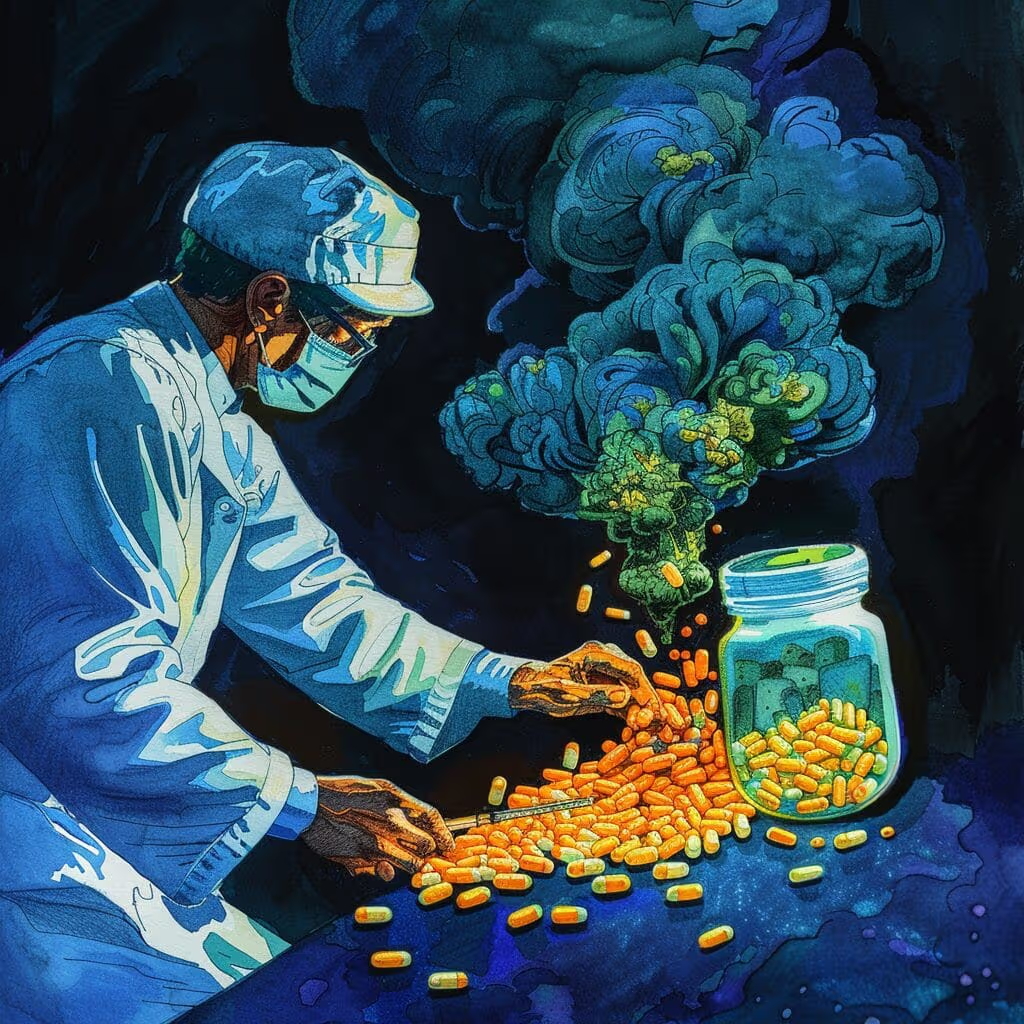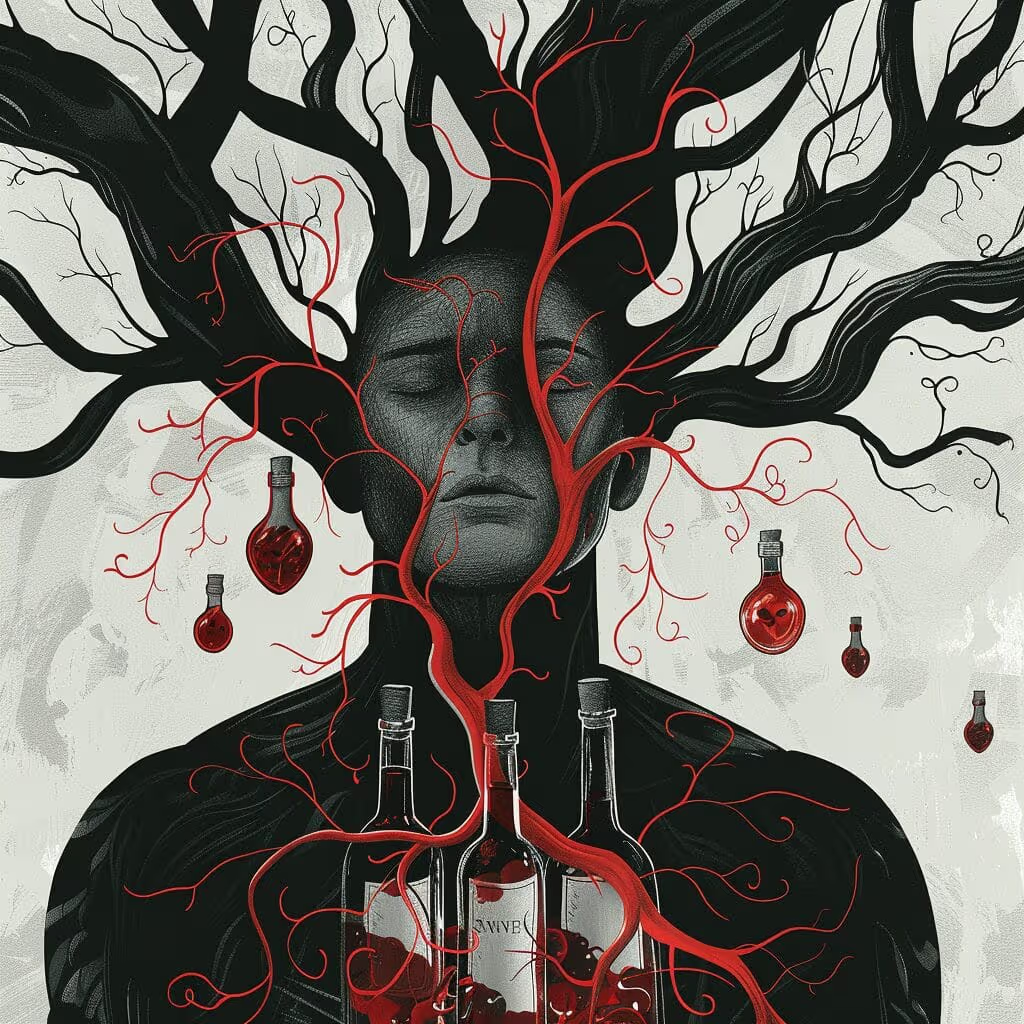
The team at Lantana Recovery utilizes multiple evidence-based therapies including CBT and DBT to support patients in substance abuse and mental health recovery.
Jump to a section
Substance use disorders (SUDs) impact a wide variety of people across socioeconomic and cultural boundaries. They are widespread, especially among marginalized groups who are subject to greater adversity due to discrimination and oppression. An estimated 1 in 6 people in the United States experiences drug addiction, according to SAMHSA. Adverse childhood experiences (ACEs) also contribute to substance abuse and addiction.
Fortunately, addictive patterns are still being studied to produce and refine methods of treatment for individuals experiencing SUD. The goals of these treatments, as further outlined by SAMHSA, are to aid individuals in recovery by:
- Increasing treatment retention
- Improving survival rates
- Improving birth outcomes among women who have SUDs and are pregnant
- Decreasing illicit opiate use and other illicit activity among people with SUDs
- Increasing individuals’ ability to gain and maintain employment
The Importance of Evidence-Based Therapies
Many treatments clearly have unambiguous positive results while also remaining cost-effective. In a 2003 study, evidence-based SUD treatment was found to be “beneficial in reducing substance use, in alleviating associated psychiatric, legal, job, family/social, and medical problems, and in reducing the use of other services and the cost burden to other systems.” Ultimately, it was determined that positive outcomes are correlated with treatment retention and duration, both of which these well-researched therapies achieve.
In other words, not all treatment modalities are created equally. Medical research has identified the most effective options for individuals with SUD. Through testing and regulation, several evidence-based therapies have risen to the top. Professional treatment facilities like Lantana Recovery utilize these modalities to provide the highest level of care based on unique patient needs.
Types of Evidence-Based Therapies
An interesting note is that many of the therapies designated as effective for substance abuse are also effective for mental health concerns. They can be dually applied during treatment, as well as extended from individual to group settings. As with all therapies, these require presence and practice for lasting results. According to research, the best treatments for SUDs are:
Cognitive-Behavioral Therapy (CBT): Perhaps the best-known example of an evidence-based therapy is CBT. This treatment modality is often used in one-to-one settings with a mental health therapist to identify thoughts and behaviors that do not serve the patient. Together, patient and therapist work to raise awareness of when and how these negative patterns arise, and create goals and coping mechanisms for handling them.
Dialectical Behavior Therapy (DBT): DBT is a specialized type of cognitive behavioral therapy created by Marsha Linehan to help people manage intense emotions, self-harm, or chronic distress. It focuses on four main areas—mindfulness, distress tolerance, emotion regulation, and interpersonal effectiveness. This therapy often combines weekly individual therapy sessions with group skills training.
Eye Movement Desensitization and Reprocessing (EMDR): EMDR is useful for addressing the emotional distress and symptoms of traumatic life events. It uses guided side-to-side eye movements or other bilateral stimulation to help the brain reprocess stuck memories. Releasing these memories reduces their impact, allowing the patient to better navigate related triggers as they arise.
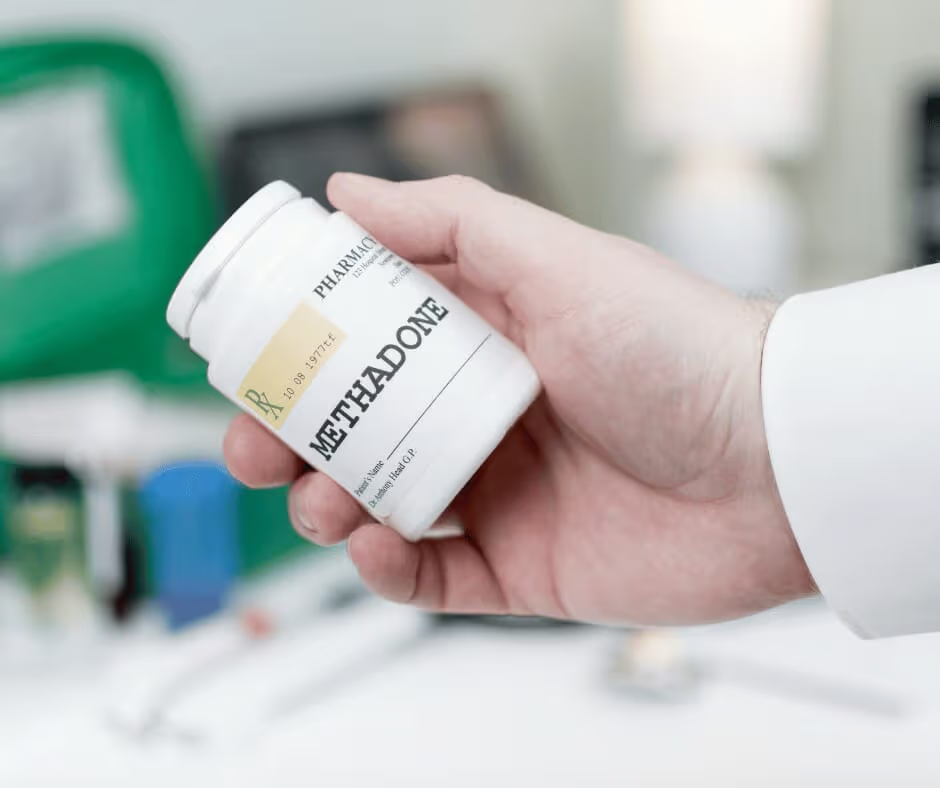
Medication-Assisted Treatment (MAT): Finally, MAT joins pharmacotherapy with individual and/or group therapy to address specific addictions. For alcohol use disorder (AUD), patients are most commonly treated with acamprosate, disulfiram, and naltrexone. Those with opioid use disorder (OUD) are more commonly treated with buprenorphine, methadone, and naltrexone. The purpose of these medications is to help normalize brain chemistry. They do so by blocking the euphoric effects of alcohol and opioids, relieving physiological cravings, and restoring normal body functions.
MAT can be short- or long-term, mitigating the effects of withdrawal as the body achieves clinical stability. In the case of dual-diagnosis for mental health, prescription medication use may be extended. All pharmacotherapies must be overseen by a medical health provider to manage dosing, side effects, and related symptoms.
Finding Evidence-Based Therapy for Substance Abuse
If you or someone you love is struggling with addiction, help is only a call away. The team at Lantana Recovery utilizes evidence-based therapies to support patients in substance abuse recovery. CBT is woven into our individual sessions and group programming to help clients identify and reframe the thought patterns that drive addictive behavior. Additionally, DBT skills are embedded across group and individual sessions.
At Lantana, we treat multiple substances including:
- Alcohol
- Opioids
- Heroin
- Fentanyl
- Benzodiazepines
- Cocaine
- Methamphetamine
- Marijuana
- Prescription stimulants
- MDMA
- Ketamine
- Nicotine
- Psilocybin
If you are using any of these substances and are experiencing an inability to reduce or quit use, withdrawal symptoms such as nausea, vomiting, or dizziness, mood swings, or are prioritizing substance use over your relationships and responsibilities, it is time to seek help. The admissions team at Lantana is standing by and ready to help determine the level of care you need to achieve sobriety and maintain your long-term recovery.
Finding the best treatment for substance abuse can feel intimidating. Fortunately, therapeutic modalities for addiction recovery are well-researched. Many programs like those at Lantana Recovery utilize evidence-based modalities to address various substance use disorders such as alcohol use disorder or opioid use disorder. These modalities include cognitive-behavioral therapy, dialectical behavior therapy, eye movement desensitization and reprocessing, and medication-assisted treatment. Which treatment is right for you depends on what substance(s) you use as well as the heaviness and length of use. To determine the correct level of care and which evidence-based therapies you will most benefit from, contact our team at Lantana Recovery today by calling (866) 997-2870. We're here to help you on the path to sobriety.

Sources
- SAMHSA — Annual National Survey on Drug Use and Healthhttps://www.samhsa.gov/newsroom/press-announcements/20250728/samhsa-releases-annual-national-survey-on-drug-use-and-health
- SAMHSA — Substance use treatment optionshttps://www.samhsa.gov/substance-use/treatment/options
- The Psychiatric Clinics of North America — Evidence-based practices for substance use disordershttps://pmc.ncbi.nlm.nih.gov/articles/PMC3678283/
- SAMHSA — Acamprosatehttps://www.samhsa.gov/substance-use/treatment/options/acamprosate
- SAMHSA — Disulfiramhttps://www.samhsa.gov/substance-use/treatment/options/disulfiram
- SAMHSA — Naltrexonehttps://www.samhsa.gov/substance-use/treatment/options/naltrexone
- SAMHSA — Buprenorphinehttps://www.samhsa.gov/substance-use/treatment/options/buprenorphine
- SAMHSA — Methadonehttps://www.samhsa.gov/substance-use/treatment/options/methadone
Reviewed by
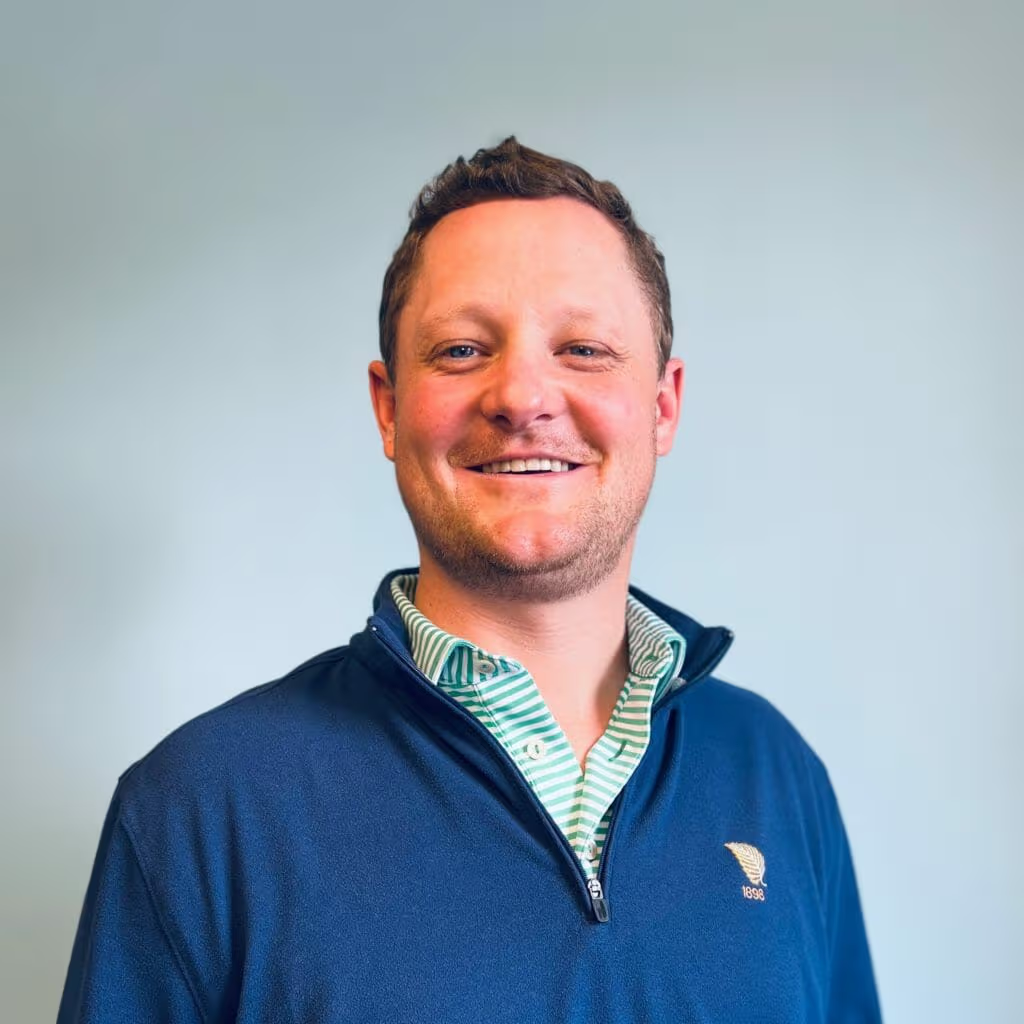
Warren PhillipsCo-Founder, LMSW · Editorial Reviewer
Warren Phillips is a Co-Founder of Lantana Recovery and a Licensed Master Social Worker (LMSW) specializing in substance abuse and mental health treatment. He previously worked in various capacities at Turnbridge Addiction Treatment and Clearpoint Recovery Center before co-founding Lantana Recovery. Warren's clinical approach draws on a strengths-based perspective, Twelve Step philosophies, Cognitive Behavioral Therapy, and Motivational Interviewing. He brings both personal and professional experience to his work — as a person in long-term recovery from alcohol and illicit substances, he has used that experience to help shape Lantana's treatment programming. Warren grew up in Memphis, TN and St. Louis, MO, attended college in Mississippi, and lived in California and Connecticut before relocating to Charleston. He now lives in Mount Pleasant with his wife, Angela, and their two young children, Hall and Sam.
Written by the Lantana Recovery Editorial Team and reviewed for clinical accuracy before publication.