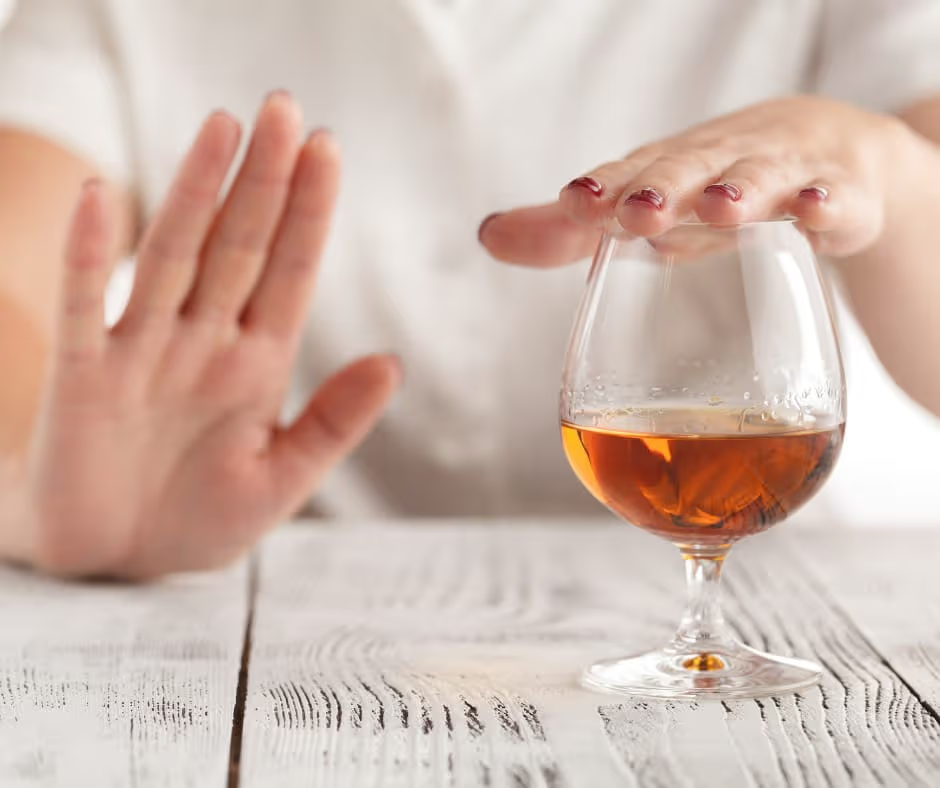
From skin clarity to weight and energy, quitting alcohol produces real, visible physical changes over time. Learn what to expect and when.
Jump to a section
Quitting alcohol produces real, often visible physical changes over time — clearer skin, changed body composition, brighter eyes, and improved overall vitality among them. This article covers what actually changes physically and the realistic timeline for noticing it.
Key Takeaways on Physical Changes After Quitting Alcohol
- Skin hydration and clarity often improve noticeably within weeks as alcohol's dehydrating and inflammatory effects resolve.
- Body composition frequently shifts as alcohol's empty calories are removed from the diet.
- Eye brightness and reduced facial puffiness are commonly reported changes.
- These changes build progressively over months, not overnight.
Skin Changes
Alcohol dehydrates the skin and promotes inflammation, both of which contribute to a duller, puffier appearance during regular drinking. Many people notice improved skin hydration, clarity, and texture within several weeks of quitting, as these direct effects resolve.
Body Composition and Weight
Alcohol is calorie-dense with no nutritional value, and removing it often leads to gradual body composition changes over the following months — though the degree and direction of change varies by individual factors including overall diet and prior drinking pattern.
Eyes and Facial Appearance
Reduced facial puffiness and brighter, less bloodshot eyes are commonly reported changes as dehydration and inflammation resolve — often among the more quickly noticeable physical changes for people who drank regularly.
Overall Vitality and Energy
Beyond specific visible changes, many people describe an overall improvement in how they look and feel — clearer eyes, better posture from improved energy, and a generally more vital appearance — that builds progressively as sleep, nutrition, and overall health improve through sustained sobriety.
Realistic Timeline Expectations
These changes build gradually over weeks to months, not overnight — the most noticeable improvements typically become apparent by the one to three-month mark, with continued improvement over a longer sustained period. Individual timelines vary based on prior drinking history and overall health.
Why This Matters Beyond Appearance
Visible physical changes often reflect deeper internal healing — improved liver function, better sleep quality, and reduced inflammation throughout the body. The external changes are a visible signal of real, meaningful internal recovery, not just a cosmetic side effect. Lantana Recovery's alcohol addiction treatment program supports the full recovery process behind these physical changes, and our guide to benefits of 3 months without alcohol covers the broader health timeline in more depth.
FAQ: Physical Changes After Quitting Alcohol
How soon will I notice physical changes after quitting drinking?
Will everyone experience the same physical changes?
Are these changes purely cosmetic?
Bottom Line
Quitting alcohol produces real, often visible physical changes — clearer skin, brighter eyes, and shifting body composition among them — that build progressively over weeks to months as the body heals from alcohol's cumulative effects. Other visible and felt changes follow a similar timeline — see fatigue after quitting alcohol and how long brain fog lasts for what's happening internally, and where 11 months sober tends to lead by comparison.
Sources
- NIAAA — Alcohol's Effects on the Bodyhttps://www.niaaa.nih.gov/alcohols-effects-health/alcohols-effects-body
- CDC — Alcohol Use and Your Healthhttps://www.cdc.gov/alcohol/about-alcohol-use.html

Reviewed by
Warren PhillipsCo-Founder, LMSW · Editorial Reviewer
Warren Phillips is a Co-Founder of Lantana Recovery and a Licensed Master Social Worker (LMSW) specializing in substance abuse and mental health treatment. He previously worked in various capacities at Turnbridge Addiction Treatment and Clearpoint Recovery Center before co-founding Lantana Recovery. Warren's clinical approach draws on a strengths-based perspective, Twelve Step philosophies, Cognitive Behavioral Therapy, and Motivational Interviewing. He brings both personal and professional experience to his work — as a person in long-term recovery from alcohol and illicit substances, he has used that experience to help shape Lantana's treatment programming. Warren grew up in Memphis, TN and St. Louis, MO, attended college in Mississippi, and lived in California and Connecticut before relocating to Charleston. He now lives in Mount Pleasant with his wife, Angela, and their two young children, Hall and Sam.
Written by the Lantana Recovery Editorial Team and reviewed for clinical accuracy before publication.