
From better sleep to improved liver function, 3 months alcohol-free brings measurable changes. Learn the month-by-month benefits timeline.
Jump to a section
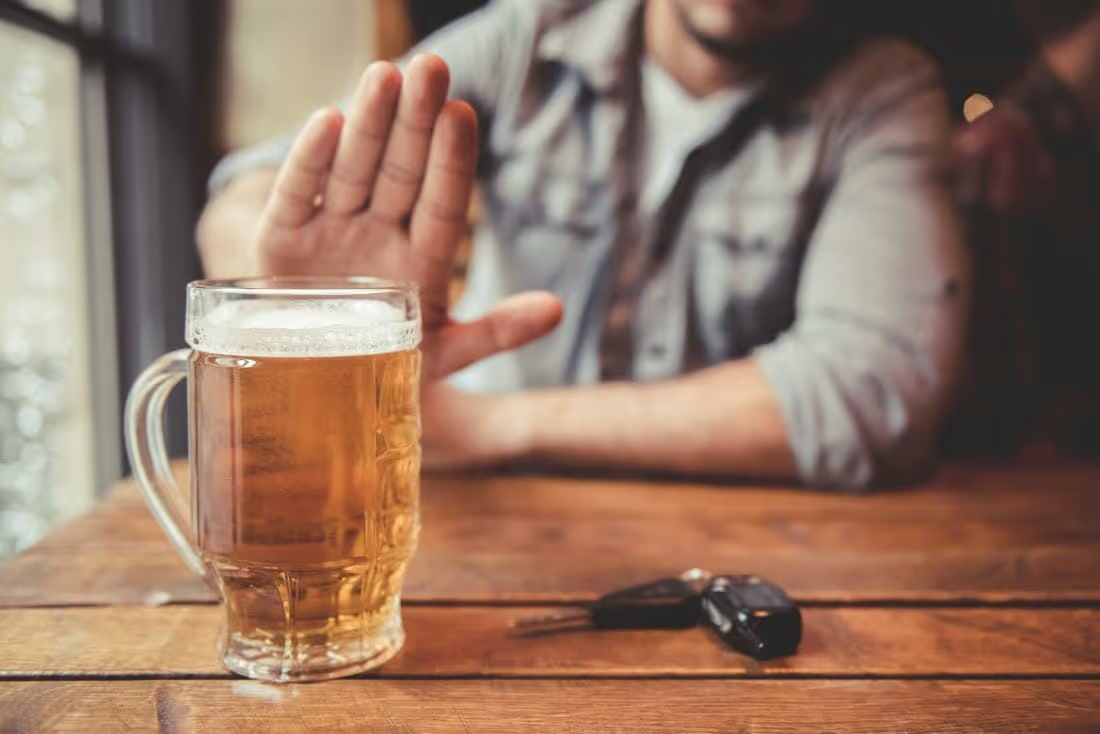
Three months without alcohol brings measurable, layered benefits — the body begins recovering within days, and by the three-month mark, sleep, liver function, mood, and even skin often show noticeable improvement. This article walks through the month-by-month timeline.
Key Takeaways: 3 Months Without Alcohol
- The first days are often the hardest, with the body beginning measurable recovery soon after.
- By one month, sleep and digestion typically show real improvement as detoxification progresses.
- By two months, liver function and sleep quality continue improving alongside better digestion.
- By three months, benefits often include weight changes, improved immune resistance, better skin, and reduced depressive symptoms.
The First Days: Initial Adjustment
The first week without alcohol is often the most challenging, particularly for regular drinkers — disrupted sleep, irritability, and cravings are common as the body adjusts. This is also when the body's recovery process genuinely begins, even before it's noticeable.
One Month: Detoxification and Early Improvements
By around one month, many people notice measurably better sleep and digestion as the body's detoxification processes progress and inflammation begins to ease. Energy levels often start improving during this window as well.
Two Months: Continued Recovery
Sleep quality, liver function, and digestion continue improving at the two-month mark. The liver, given time without alcohol's toxic burden, shows measurable functional improvement — a key reason clinicians emphasize sustained abstinence over short breaks.
Three Months: Broader, More Visible Benefits
- Weight and metabolic changes — removing alcohol's empty calories often supports natural weight normalization.
- Improved sleep quality — deeper, more restorative sleep as alcohol's disruption of sleep architecture resolves.
- Stronger immune resistance — alcohol suppresses immune function; sustained abstinence supports recovery.
- Healthier liver function — continued improvement building on the prior two months.
- Brighter skin — reduced dehydration and inflammation often show visibly.
- Improved mood — many people report reduced depressive symptoms as brain chemistry normalizes.
- Financial savings — a practical, often underrated benefit worth tracking.
Why the Timeline Matters
Many of these benefits build cumulatively rather than appearing all at once — which is why short breaks (a "dry month") show some benefit, but sustained abstinence over several months shows meaningfully more. Understanding the timeline can help set realistic expectations and stay motivated through the harder early days.
If Quitting on Your Own Hasn't Stuck
If you've tried to stop drinking before and found it harder to sustain than expected, that's common — and it's a sign structured support, not just willpower, may make the difference. Lantana Recovery's alcohol addiction treatment program and our guide to alcohol withdrawal symptoms can help you understand what to expect and how to make lasting change more achievable.
FAQ: 3 Months Without Alcohol
When do the biggest benefits of quitting alcohol appear?
Is 3 months long enough to reverse alcohol's effects?
What's the hardest part of the first 3 months?
Bottom Line
Three months without alcohol brings real, measurable benefits across sleep, liver function, mood, and physical health — building cumulatively rather than all at once. If sustaining that on your own has been difficult, structured support can make the difference. Related milestones and adjustments include visible changes after quitting alcohol, fatigue after quitting alcohol, and constipation after quitting alcohol — all part of the same broader recovery timeline. Social habits built around drinking often need the most active rebuilding during this stretch.
Sources
- NIAAA — Rethinking Drinking: Alcohol's Effects on the Bodyhttps://www.niaaa.nih.gov/alcohols-effects-health/alcohols-effects-body
- CDC — Alcohol Use and Your Healthhttps://www.cdc.gov/alcohol/about-alcohol-use.html

Reviewed by
Warren PhillipsCo-Founder, LMSW · Editorial Reviewer
Warren Phillips is a Co-Founder of Lantana Recovery and a Licensed Master Social Worker (LMSW) specializing in substance abuse and mental health treatment. He previously worked in various capacities at Turnbridge Addiction Treatment and Clearpoint Recovery Center before co-founding Lantana Recovery. Warren's clinical approach draws on a strengths-based perspective, Twelve Step philosophies, Cognitive Behavioral Therapy, and Motivational Interviewing. He brings both personal and professional experience to his work — as a person in long-term recovery from alcohol and illicit substances, he has used that experience to help shape Lantana's treatment programming. Warren grew up in Memphis, TN and St. Louis, MO, attended college in Mississippi, and lived in California and Connecticut before relocating to Charleston. He now lives in Mount Pleasant with his wife, Angela, and their two young children, Hall and Sam.
Written by the Lantana Recovery Editorial Team and reviewed for clinical accuracy before publication.