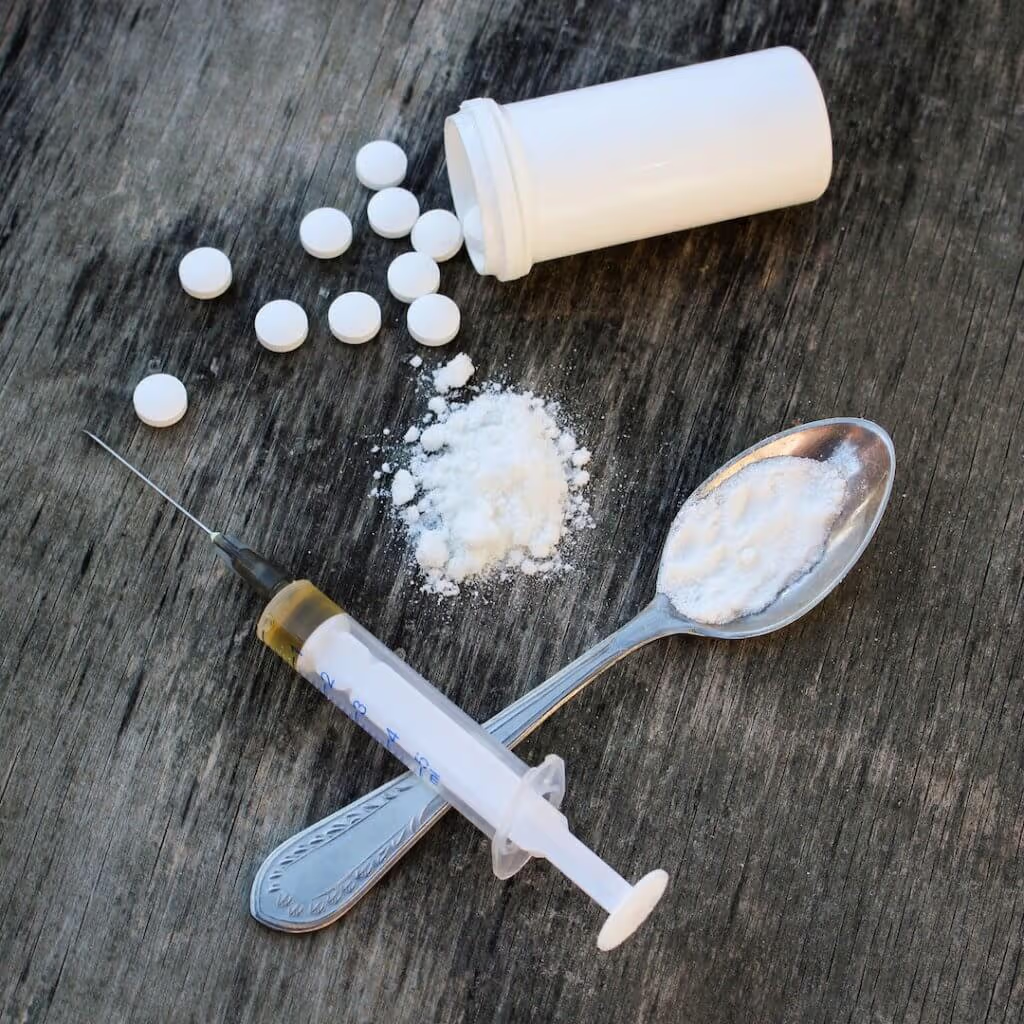
Meth mouth affects almost all long-term users, while skin sores affect a minority. Here is what the research shows, and what recovers after use stops.
Jump to a section
The physical signs of methamphetamine use that people recognize — "meth mouth," "meth sores," and the facial changes often called "meth face" — are real, documented, and more variable than the public images suggest. Severe dental disease is close to universal among long-term users; skin sores are not. This article covers what the research measures for each sign, the mechanisms behind them, how much of the dramatic before-and-after imagery is actually attributable to the drug, and what recovers when use stops.
Key Takeaways on Physical Signs of Meth Use
- In a study of 571 methamphetamine users, 96% had experienced dental caries and 58% had untreated tooth decay, against 27% in the general population.
- 31% had six or more missing teeth, compared with 8.5% of the general population, and 88.5% had periodontitis against 37% of comparable adults.
- Skin sores are far less universal than the imagery implies. In a survey of users, about 14% reported formication — the crawling-skin sensation that drives picking.
- Scarring was reported by 17%, track marks by 22%, and hyperpigmentation by 19%.
- Dental damage does not reverse on its own, but skin heals, weight returns, and wound healing improves after use stops.
What does methamphetamine do that shows on the outside?
The visible signs are downstream of several effects happening at once, which is why they compound:
- Dry mouth. Methamphetamine reduces saliva, and saliva is what neutralizes acid and remineralizes enamel.
- Vasoconstriction. Narrowed blood vessels reduce blood supply to skin and gums, slowing healing.
- Appetite suppression. Sustained use produces weight loss and nutritional deficiency.
- Sleep deprivation. Binges can run for days, and sleep is when tissue repair happens.
- Jaw clenching and grinding. Bruxism fractures and wears teeth mechanically, separate from decay.
- Immune effects. Methamphetamine impairs immune function, which raises infection risk from any skin break.
None of these is dramatic on its own over a week. Over years, together, they produce the pattern people recognize.
What is "meth mouth," and how bad is it really?
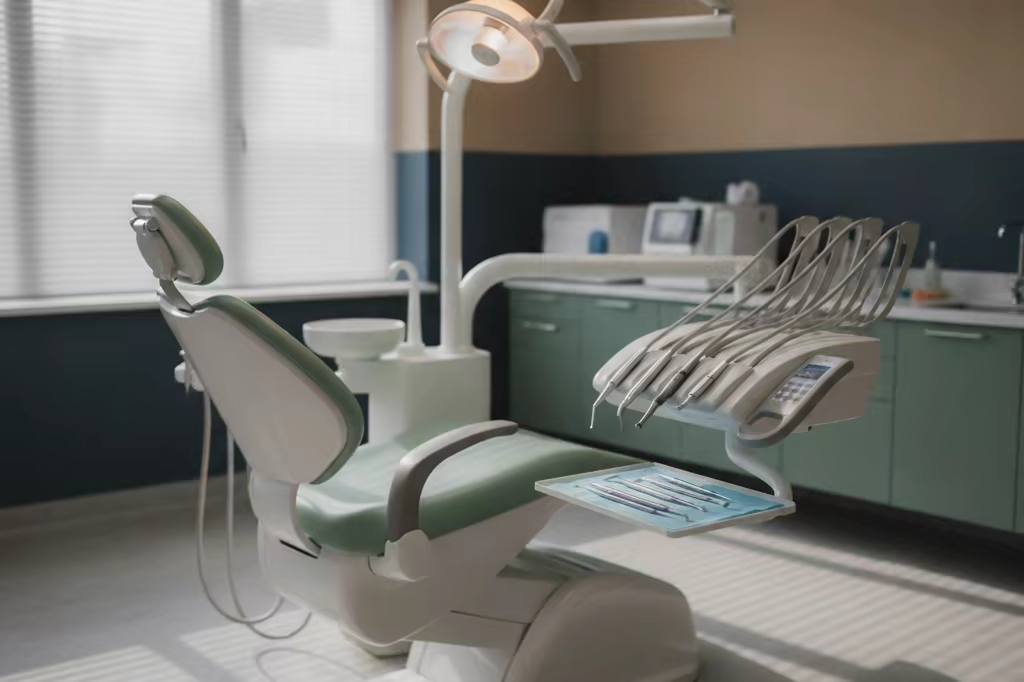
This is the sign with the strongest evidence, and the numbers are worse than the nickname suggests. A study of 571 methamphetamine users who received full oral examinations using national survey protocols found:
- 96% had experienced dental caries at some point.
- 58% had untreated tooth decay, against 27% in the general population.
- Only 23% still had all 28 natural teeth, compared with 48% of US adults.
- 60% were missing at least one tooth, and 31% were missing six or more — against 8.5% in the general population.
- 88.5% had periodontitis, compared with 37% of adults aged 35 to 49, and 29.1% had severe periodontitis.
The damage follows a pattern rather than appearing at random. Molars are hit first — mandibular first molars were missing in roughly 40% of participants — and decay concentrates on chewing surfaces. There is also a clear dose-response relationship: moderate and heavy users were twice as likely as light users to have five or more surfaces of untreated decay on their front teeth.
The mechanism is unglamorous. Dry mouth removes the enamel's main defense, grinding cracks the surface, sugary drinks are used to relieve the dryness, and dental care stops. Smoking compounds it further — current smokers in that sample were nearly three times more likely to have untreated decay.
What are "meth sores," and does everyone get them?
No — and this is where the public image and the data diverge most sharply.
Meth sores are usually excoriations: skin damage from picking rather than lesions the drug produces directly. The picking is often driven by formication, the sensation of insects crawling under the skin, sometimes called "meth mites." That sensation is real to the person experiencing it and can reach the level of a fixed belief.
But it is a minority experience. In a survey of methamphetamine users, about 14% reported formication since beginning use — higher than the 9% found in earlier work, and nowhere near universal. The same survey found track marks in about 22%, hyperpigmentation in 19%, and scarring in 17%, along with reports of delayed wound healing.
Two things follow. Sores are a meaningful sign when present, and their absence proves nothing — most people using methamphetamine do not have visible skin lesions at any given time. And because methamphetamine impairs immune function and slows healing, a picked sore carries a real infection risk that would be minor in someone else.
What about "meth face"?
"Meth face" is not a clinical term. It describes the appearance of accelerated aging — hollowed cheeks, sallow or damaged skin, sunken eyes, sores, and dental loss — that appears in before-and-after images used in public awareness campaigns.
The underlying changes are real, but attributing them to a single cause misrepresents what produced them. The appearance is the sum of substantial weight loss, chronic sleep deprivation, nutritional deficiency, reduced blood flow to the skin, dental disease changing the shape of the lower face, heavy smoking, sun exposure from time spent outdoors or unhoused, and in some cases skin picking. Methamphetamine drives many of those, but the photograph shows their combined effect over years, not a direct dermatological action of the drug.
Worth being precise about, for two reasons. Those images are frequently separated by long intervals and selected for maximum contrast, so they are not a reliable guide to what use looks like at any particular point. And treating a face as a diagnostic tool means missing the far larger number of people whose use is not yet visible — which is most people, most of the time.
What other physical signs are there?
- Marked weight loss over weeks to months, from appetite suppression
- Dilated pupils and rapid eye movement during intoxication
- Burns on the lips or fingers from a hot pipe
- Track marks where the drug is injected — reported by about 22% in the skin survey
- Visible jaw clenching or teeth grinding, and jaw muscle soreness
- Hyperpigmentation and scarring, reported by roughly 19% and 17%
- Long periods without sleep, followed by a prolonged crash
Behavioral signs usually precede the physical ones by a long way: disappearing for days, dramatic mood shifts, financial trouble, new secrecy, and rapid speech or fixation during use. Waiting for the physical signs means waiting years — and whether someone is ready to hear a concern raised depends far more on where they are in the stages of change than on how visible the damage has become.
Are these changes reversible?
Partly, and the split is worth knowing before someone decides it is too late.
Teeth do not regenerate. Decay does not reverse, and missing teeth stay missing without restorative dental work — but that work is entirely possible, and periodontal disease responds to treatment once the underlying use stops. Dental restoration is also one of the more visible early wins in recovery, which matters more psychologically than it sounds.
Skin does heal. Sores close once picking stops, scarring fades over months, and wound healing improves as circulation and immune function recover. Weight and appetite return, and the facial hollowing associated with weight loss partly resolves with nutrition and sleep.
What takes longest is the part nobody photographs: sleep architecture, mood regulation, and cognitive function recover over months rather than weeks, and that period is when returning to use is most likely.

How is methamphetamine addiction treated?
With behavioral treatment, because there is no FDA-approved medication for stimulant use disorder in the way there is for opioids or alcohol. That makes the structure and frequency of treatment matter more rather than less.
Contingency management — providing tangible reinforcement for verified abstinence — has the strongest evidence base for stimulant use disorder, and it is usually delivered alongside cognitive behavioral therapy and, where relevant, treatment for co-occurring conditions. Methamphetamine use disorder treatment and intensive outpatient programming at Lantana are built on that combination, with dual diagnosis care where methamphetamine use sits alongside a psychiatric condition — which is common, particularly with stimulant-induced psychosis.
Dental and dermatological care belongs in the plan rather than after it. Someone whose front teeth are gone has a daily, visible reason to avoid people, and that isolation is itself a relapse risk. Understanding how methamphetamine acts on the brain also helps explain why the crash and the cravings behave the way they do, and why willpower framing fails here.
The Bottom Line
The dental damage is the most reliable physical sign and the best documented: 96% of users in one large sample had caries, 58% had untreated decay, and 31% were missing six or more teeth. Skin sores are real but affect a minority — formication was reported by about 14% — and their absence means nothing. The dramatic before-and-after images are the sum of weight loss, sleeplessness, malnutrition, dental disease, and smoking over years, not a single effect you can read off a face. If you are looking for signs in someone you love, the behavioral ones arrive years earlier and are worth acting on first.
FAQ: Meth Mouth, Sores, and Visible Changes
What is meth mouth?
What causes meth sores?
Does everyone who uses meth get sores?
Is meth face permanent?
Can meth mouth be fixed?
How can you tell if someone is using meth?

Sources
- Shetty et al. (2015), Journal of the American Dental Association — Dental disease patterns in methamphetamine users: findings in a large urban sample (571 users; caries, untreated decay, missing teeth and periodontitis rates against NHANES comparisons)https://pmc.ncbi.nlm.nih.gov/articles/PMC5364727/
- Development and Administration of a Skin Survey Questionnaire for Methamphetamine Users — self-reported formication, track marks, hyperpigmentation and scarring rateshttps://pmc.ncbi.nlm.nih.gov/articles/PMC12716873/
- Impact of methamphetamine on infection and immunity — impaired immune function and increased infection riskhttps://pmc.ncbi.nlm.nih.gov/articles/PMC4290678/

Reviewed by
Warren PhillipsCo-Founder, LMSW · Editorial Reviewer
Warren Phillips is a Co-Founder of Lantana Recovery and a Licensed Master Social Worker (LMSW) specializing in substance abuse and mental health treatment. He previously worked in various capacities at Turnbridge Addiction Treatment and Clearpoint Recovery Center before co-founding Lantana Recovery. Warren's clinical approach draws on a strengths-based perspective, Twelve Step philosophies, Cognitive Behavioral Therapy, and Motivational Interviewing. He brings both personal and professional experience to his work — as a person in long-term recovery from alcohol and illicit substances, he has used that experience to help shape Lantana's treatment programming. Warren grew up in Memphis, TN and St. Louis, MO, attended college in Mississippi, and lived in California and Connecticut before relocating to Charleston. He now lives in Mount Pleasant with his wife, Angela, and their two young children, Hall and Sam.
Written by the Lantana Recovery Editorial Team and reviewed for clinical accuracy before publication.