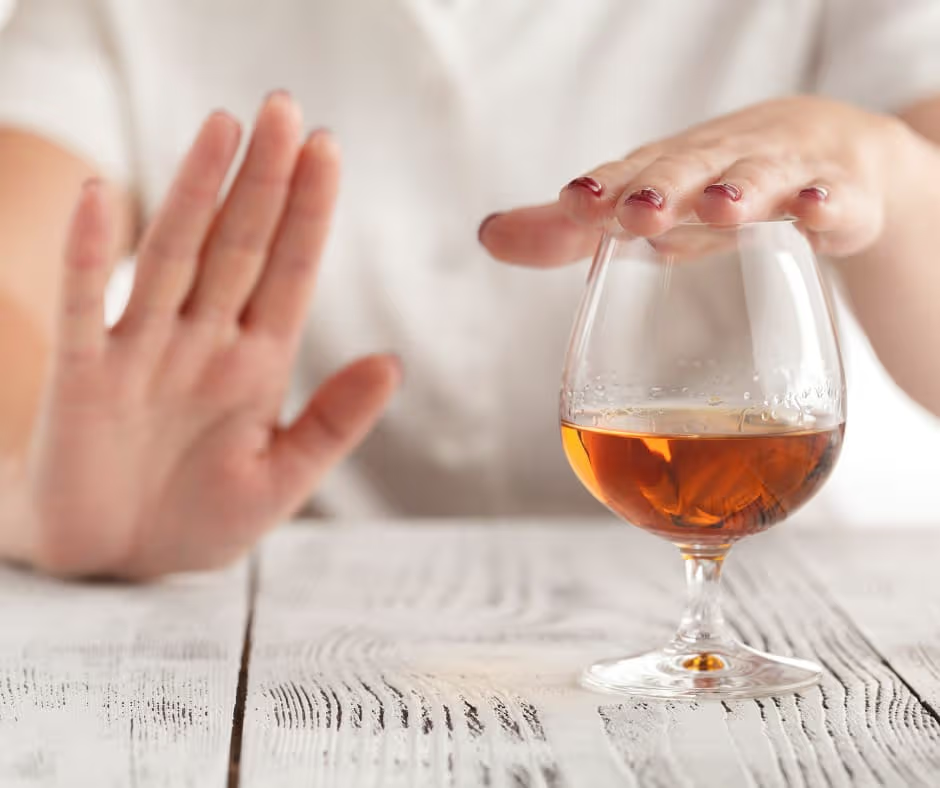
Hiccups are a lesser-known alcohol withdrawal symptom. Learn why they happen, how to manage them, and when they signal something more serious.
Jump to a section
Hiccups are a lesser-discussed but real symptom some people experience during alcohol withdrawal, tied to the same nervous system disruption behind more commonly known withdrawal symptoms. This article covers why they happen, how to manage them, and when they might signal something worth medical attention.
Key Takeaways on Hiccups and Alcohol Withdrawal
- Hiccups can occur during alcohol withdrawal as part of the nervous system's broader disruption during this period.
- They're generally a minor, self-limiting symptom, not a dangerous one on their own.
- Simple home techniques can help manage occasional hiccup episodes.
- Persistent hiccups alongside other severe withdrawal symptoms should prompt medical evaluation.
Why Alcohol Withdrawal Can Cause Hiccups
Alcohol withdrawal disrupts the autonomic nervous system broadly — the same system that controls the diaphragm's rhythmic contractions responsible for hiccups. This disruption, combined with dehydration and electrolyte shifts common during withdrawal, can trigger or prolong hiccup episodes for some people.
Managing Hiccups During Withdrawal
- Stay hydrated — dehydration is common during withdrawal and can contribute to hiccup episodes.
- Slow, controlled breathing — can help interrupt the diaphragm's spasm pattern.
- Avoid carbonated beverages — which can worsen hiccups during an already sensitive period.
- Rest and reduce stress where possible — stress can compound the nervous system disruption behind hiccups.
When Hiccups Signal Something More Serious
Occasional hiccups during withdrawal are generally minor, but persistent hiccups combined with confusion, hallucinations, rapid heartbeat, or severe tremors could indicate a more serious withdrawal complication like delirium tremens, which requires immediate medical attention.
The Bigger Picture: Managing Alcohol Withdrawal Safely
Hiccups are a minor symptom within the broader picture of alcohol withdrawal, which can range from mild discomfort to medically dangerous depending on drinking history and severity. Medically supervised detox provides monitoring and support across the full range of withdrawal symptoms, not just the more commonly discussed ones. Lantana Recovery's medically supervised detox program and our guide to alcohol withdrawal symptoms and timeline cover the full picture of what to expect and how treatment supports safety through the entire process.
FAQ: Hiccups and Alcohol Withdrawal
Are hiccups a common alcohol withdrawal symptom?
How long do withdrawal-related hiccups typically last?
Should I seek medical help for persistent hiccups during withdrawal?
Bottom Line
Hiccups during alcohol withdrawal are a real, if lesser-known, symptom tied to the nervous system disruption withdrawal causes. Generally minor on their own, they're worth mentioning to a medical provider if they occur alongside more serious withdrawal symptoms. Hiccups are just one of several lesser-discussed alcohol withdrawal symptoms — chills, dizziness, and itching can all show up during the same process, often for similar underlying reasons.
Sources
- NIAAA — Alcohol Withdrawal Syndromehttps://www.niaaa.nih.gov/alcohols-effects-health/alcohol-use-disorder
- NIH MedlinePlus — Hiccupshttps://medlineplus.gov/ency/article/003068.htm

Reviewed by
Warren PhillipsCo-Founder, LMSW · Editorial Reviewer
Warren Phillips is a Co-Founder of Lantana Recovery and a Licensed Master Social Worker (LMSW) specializing in substance abuse and mental health treatment. He previously worked in various capacities at Turnbridge Addiction Treatment and Clearpoint Recovery Center before co-founding Lantana Recovery. Warren's clinical approach draws on a strengths-based perspective, Twelve Step philosophies, Cognitive Behavioral Therapy, and Motivational Interviewing. He brings both personal and professional experience to his work — as a person in long-term recovery from alcohol and illicit substances, he has used that experience to help shape Lantana's treatment programming. Warren grew up in Memphis, TN and St. Louis, MO, attended college in Mississippi, and lived in California and Connecticut before relocating to Charleston. He now lives in Mount Pleasant with his wife, Angela, and their two young children, Hall and Sam.
Written by the Lantana Recovery Editorial Team and reviewed for clinical accuracy before publication.