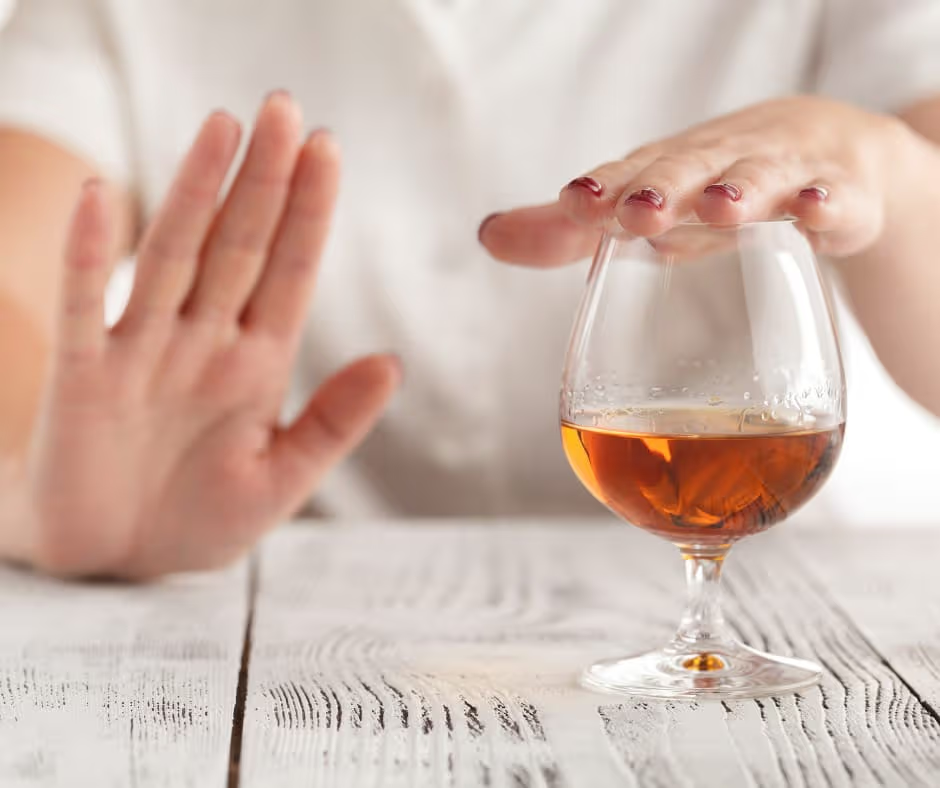
DTs typically begin 48 to 72 hours after the last drink. Untreated mortality is about 20%; with early treatment it falls to roughly 1%.
Jump to a section
Delirium tremens, usually shortened to DTs, is the most severe form of alcohol withdrawal: a state of acute confusion with hallucinations and dangerous cardiovascular instability that typically begins 48 to 72 hours after the last drink. It is a medical emergency. Untreated, roughly one in five people who develop it die; with early identification and appropriate treatment, that falls to about one in a hundred. This article covers the symptoms, the timeline, who is at risk, how DTs are treated, and how to avoid them entirely.
Key Takeaways on Delirium Tremens
- DTs typically begin 48 to 72 hours after the last drink and last about one to eight days.
- Mortality is approximately 20% untreated, falling to about 1% with early identification and appropriate treatment.
- The defining features are severe confusion and hallucinations combined with autonomic instability — racing heart, high blood pressure, fever, and heavy sweating.
- Risk is highest in people over 50, with a long drinking history, prior withdrawal episodes, and coexisting medical conditions.
- Benzodiazepines are the first-line treatment, sometimes at doses far above ordinary prescribing, alongside thiamine given before glucose.
What are delirium tremens?
Delirium tremens is withdrawal delirium — the severe end of the alcohol withdrawal spectrum, occurring when someone physically dependent on alcohol stops or sharply reduces their intake. Alcohol is a central nervous system depressant, and sustained heavy drinking pushes the brain into a compensating state of excitation. Remove the alcohol and that compensation is unopposed. In most people it produces tremor, anxiety, sweating, and insomnia. In a minority it escalates into delirium.
The word delirium is doing real work in the name. This is not anxiety or discomfort — it is an acute confusional state in which a person loses track of where they are, what time it is, and what is happening around them, while their heart rate and blood pressure climb. That combination of cognitive and cardiovascular failure is what makes DTs lethal rather than merely frightening.
What are the symptoms of delirium tremens?
DTs present as a cluster, not a single symptom:
- Profound confusion and disorientation — not knowing the date, the place, or the people present
- Hallucinations, typically visual or tactile, which the person believes are real
- Severe agitation, sometimes alternating with heavy sedation
- Autonomic hyperactivity — rapid heart rate, elevated blood pressure, fever, and drenching sweats
- Whole-body tremor, the "tremens" in the name
- Seizures, which may precede the delirium
How is this different from ordinary alcohol withdrawal?
Ordinary withdrawal is uncomfortable and largely self-limiting: shakiness, sweating, nausea, insomnia, anxiety, and symptoms like dizziness and headaches. The person remains oriented. They know where they are and can hold a conversation.
In DTs, that orientation is gone. Someone in withdrawal who is anxious about hallucinating is having a difficult withdrawal. Someone who is hallucinating and does not know they are hallucinating is having a medical emergency. That distinction is the one families most need to be able to make at 2 a.m.

When do DTs start, and how long do they last?
A 2024 review of the clinical literature in Cureus puts it precisely: delirium tremens typically occurs 48 to 72 hours after the last drink and lasts approximately one to eight days.
Both halves of that matter. The 48-to-72-hour window means the most dangerous phase arrives after the point at which many people assume the worst is over — someone who gets through the first uncomfortable day and night may be entering the highest-risk period rather than leaving it. And a condition that can run for eight days is not something to wait out at home.
| Time since last drink | What is typically happening |
|---|---|
| First 24 hours | Early withdrawal: tremor, sweating, anxiety, nausea, insomnia, rising heart rate |
| 24 to 48 hours | Symptoms peak for most people; seizures, when they occur, usually fall in this window |
| 48 to 72 hours | The window in which delirium tremens typically begins |
| Up to about 8 days | Duration of an episode of delirium tremens once it starts |
How common are DTs, and who is at risk?
Delirium tremens affects a minority of people in alcohol withdrawal — the figure usually cited in US clinical literature is under 5% of withdrawal cases. Reported rates vary enormously by setting and by how cases are counted: the 2024 review found published incidence ranging from 0.7% among US veterans with alcohol use disorder to well over a third of patients in some hospital series abroad. The practical reading is that DTs are uncommon overall and considerably more common among people sick enough to be hospitalized for withdrawal.
The risk factors the review identifies are consistent across studies:
- Age over 50
- A long drinking history, on the order of 20 years or more
- 48 to 72 hours elapsed since the last drink
- Coexisting medical conditions
- Previous withdrawal episodes
That last one is the most actionable and the least known. Each severe withdrawal appears to make the next one more likely and more severe — which means a person who has been through DTs before should never attempt an unsupervised detox again.
Are delirium tremens fatal?
They can be, and the gap between treated and untreated outcomes is the single most important fact on this page. The 2024 review reports mortality of approximately 20% untreated, dropping to about 1% with early identification and appropriate treatment.
Death in DTs comes from the cardiovascular and metabolic storm rather than from the confusion itself: cardiac arrhythmias, dangerously high body temperature, seizures, electrolyte collapse, aspiration, and injury sustained while disoriented. Every one of those is manageable in a hospital and none of them are manageable at home.
How are delirium tremens treated?
Treatment happens in a hospital, usually with intensive monitoring. Benzodiazepines are the first-line medication; they act on the same GABA receptors alcohol was acting on, which calms the unopposed excitation directly. Dosing is guided by symptoms rather than a fixed schedule, and the amounts required can be extraordinary — the 2024 review notes initial treatment sometimes exceeding 2,000 mg of diazepam equivalent in the first days. That is not a dose anyone can approximate outside a monitored setting.
Supportive care runs alongside: intravenous fluids, electrolyte correction, temperature management, and treatment of any coexisting infection or injury. High-dose thiamine is given, and given before glucose, because metabolizing glucose consumes thiamine that a heavy drinker may not have to spare — the same precaution that prevents Wernicke-Korsakoff syndrome.
What treatment does not do is address why the drinking started. Surviving DTs without changing anything makes a second episode likely, and second episodes tend to be worse. Medication for alcohol use disorder and structured alcohol use disorder treatment after the medical crisis are what change the trajectory.

How can delirium tremens be prevented?
Almost entirely, and the method is unglamorous: do not stop heavy long-term drinking abruptly without medical support.
Supervised withdrawal management prevents DTs by treating withdrawal before it escalates — monitoring vital signs and symptom severity, giving medication early rather than after delirium appears, and correcting the fluid, electrolyte, and thiamine deficits that make a bad withdrawal worse. Lantana provides withdrawal management on an outpatient basis and coordinates a higher level of medical care for anyone whose risk profile calls for it.
Two decisions matter most. First, anyone who drinks heavily every day and is considering stopping should talk to a medical provider before the last drink, not after symptoms start. Second, anyone with a prior severe withdrawal, a prior seizure, or a prior episode of DTs should treat unsupervised detox as off the table permanently. Understanding how alcohol dependence develops in the brain makes clear why: the adaptation that produces withdrawal does not reset.
The Bottom Line
Delirium tremens kills about one in five people who go through it untreated and about one in a hundred who are treated early. It arrives 48 to 72 hours after the last drink — after the point most people assume the danger has passed — and it can last more than a week. If someone withdrawing from alcohol becomes confused, sees things that are not there, or develops a racing heart and fever, that is a 911 call, not a wait-and-see. And if you are planning to stop drinking after years of heavy use, the safest version of that plan starts with a medical conversation before the last drink.
FAQ: DTs, Withdrawal Timing, and Emergency Care
How long after your last drink do DTs start?
How long do delirium tremens last?
Can you die from delirium tremens?
Can delirium tremens be treated at home?
What is the difference between DTs and normal alcohol withdrawal?
Does everyone who quits drinking get DTs?

Sources
- Kaye et al. (2024), Cureus — Delirium Tremens: A Review of Clinical Studies: onset 48-72 hours after the last drink, duration of one to eight days, mortality of approximately 20% untreated versus about 1% with early treatment, risk factors, and benzodiazepine dosinghttps://pmc.ncbi.nlm.nih.gov/articles/PMC11069634/
- National Institute on Alcohol Abuse and Alcoholism — Core Resource on Alcohol, The Basics: Defining How Much Alcohol Is Too Much (alcohol as a central nervous system depressant and the physiology of dependence)https://www.niaaa.nih.gov/health-professionals-communities/core-resource-on-alcohol/basics-defining-how-much-alcohol-too-much
- National Institute on Alcohol Abuse and Alcoholism — Wernicke-Korsakoff Syndrome fact sheet (thiamine administration alongside glucose in heavy drinkers)https://www.niaaa.nih.gov/publications/brochures-and-fact-sheets/wernicke-korsakoff-syndrome

Reviewed by
Warren PhillipsCo-Founder, LMSW · Editorial Reviewer
Warren Phillips is a Co-Founder of Lantana Recovery and a Licensed Master Social Worker (LMSW) specializing in substance abuse and mental health treatment. He previously worked in various capacities at Turnbridge Addiction Treatment and Clearpoint Recovery Center before co-founding Lantana Recovery. Warren's clinical approach draws on a strengths-based perspective, Twelve Step philosophies, Cognitive Behavioral Therapy, and Motivational Interviewing. He brings both personal and professional experience to his work — as a person in long-term recovery from alcohol and illicit substances, he has used that experience to help shape Lantana's treatment programming. Warren grew up in Memphis, TN and St. Louis, MO, attended college in Mississippi, and lived in California and Connecticut before relocating to Charleston. He now lives in Mount Pleasant with his wife, Angela, and their two young children, Hall and Sam.
Written by the Lantana Recovery Editorial Team and reviewed for clinical accuracy before publication.